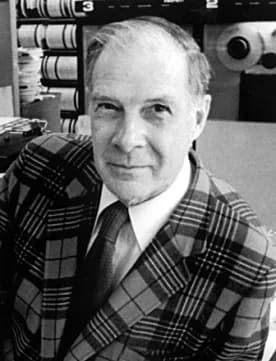
Richard Wesley Hamming was an American mathematician whose work had many implications for computer engineering
Richard Hamming (1915-1998) was an influential American mathematician and computer scientist known for his work in information theory and error-correcting codes. His contributions include the development of Hamming codes, which have played a significant role in error detection and correction in computer systems and communication networks.
Created the fields of error-correcting code, Hamming code, Hamming matrix, the Hamming window, Hamming numbers, sphere-packing (or Hamming bound), and the Hamming distance established the concept of perfect code.
Richard Wesley Hamming was an American mathematician whose work had many implications for computer engineering and telecommunications. His contributions include the Hamming code, the Hamming window, Hamming numbers, sphere-packing, Hamming graph concepts, and the Hamming distance.
Hamming code
Other
Hamming weight
Other
Hamming window
Other
Hamming bound
Other
Hamming graph
Other
Hamming distance
Other
University of Louisville
1944–1945
Manhattan Project
1945–1946
Naval Postgraduate School
1976–1997
University of Illinois system
1942–1944
Bell Labs
1946–1976
University of Chicago
Bachelor of Science
1937
University of Illinois Urbana–Champaign
Doctor of Philosophy
1942
University of Nebraska–Lincoln
Master of Science
Crane High School
Influenced
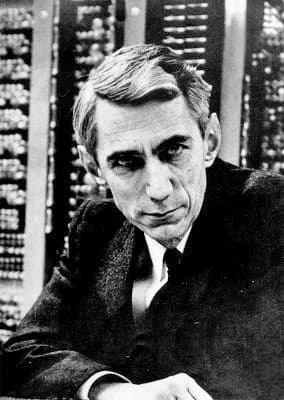 Early Electronic
Claude Shannon
Claude Elwood Shannon was an American polymath who was a mathematician, electrical engineer, computer scientist,
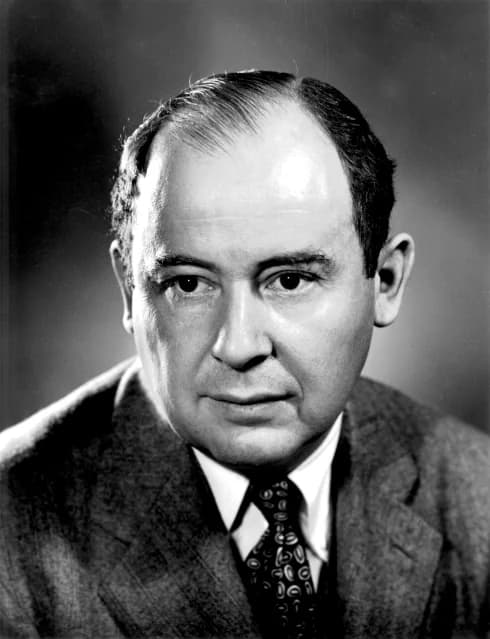 Cold War
John von Neumann
John von Neumann was a Hungarian and American mathematician, physicist, computer scientist and engineer
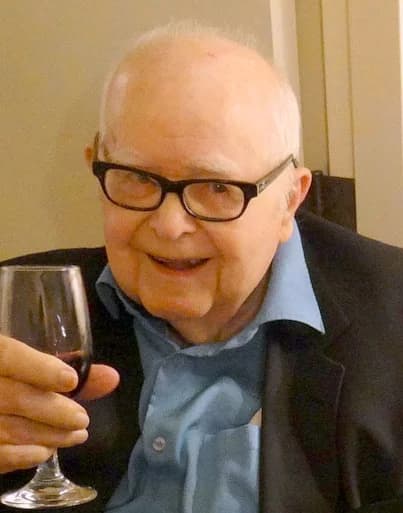 Cold War
Harry Huskey
Harry Douglas Huskey was an American computer design pioneer
 Cold War
Kathleen Booth
Kathleen Hylda Valerie Booth was a British computer scientist and mathematician who wrote the first