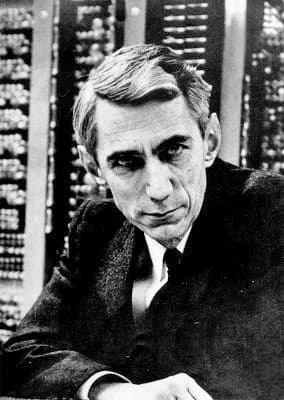
Claude Elwood Shannon was an American polymath who was a mathematician, electrical engineer, computer scientist,
Claude Shannon (1916-2001) was an influential American mathematician and electrical engineer known as the "father of information theory." His work in digital circuit design and information theory revolutionized the field and laid the foundations for modern telecommunications, cryptography, and computer science. Shannon's contributions continue to shape technology today.
Widely recognized as the "father of information theory." Shannon's groundbreaking work, published in his influential paper "A Mathematical Theory of Communication," established the foundation for modern information theory and laid the groundwork for digital communication and data compression. His concepts of entropy, channel capacity, and coding theory revolutionized the understanding and transmission of information. Shannon's work had a profound impact on various fields, including telecommunications, computer science, cryptography, and beyond.
Claude Elwood Shannon was an American polymath who was a mathematician, electrical engineer, computer scientist, cryptographer, and inventor known as the "father of information theory", and the man who laid the foundations of the Information Age.
Shannon–Hartley theorem
Other
Noisy-channel coding theorem
Other
Shannon capacity
Other
Shannon multigraph
Other
Shannon switching game
Other
Shannon's source coding theorem
Other
Shannon's expansion
Other
Nyquist–Shannon sampling theorem
Other
information entropy
Other
Shannon index
Other
Shannon number
Other
Whittaker–Shannon interpolation formula
Other
Shannon–Weaver model
Other
Shannon–Fano–Elias coding
Other
Massachusetts Institute of Technology
1957–2020
Institute for Advanced Study
1940–1941
Bell Labs
1941–1958
Gaylord High School
1932
University of Michigan
1936
Massachusetts Institute of Technology
1940
Influenced by
 Early Electronic
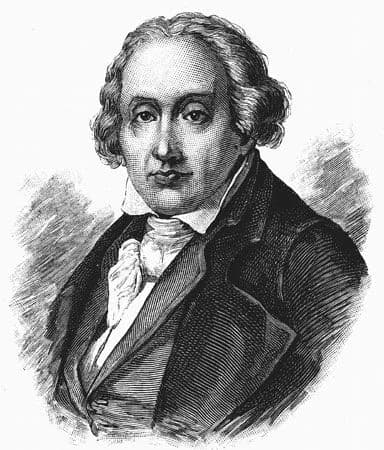
Joseph Marie Jacquard
Joseph Marie Charles dit Jacquard was a French weaver and merchant
 Early Electronic
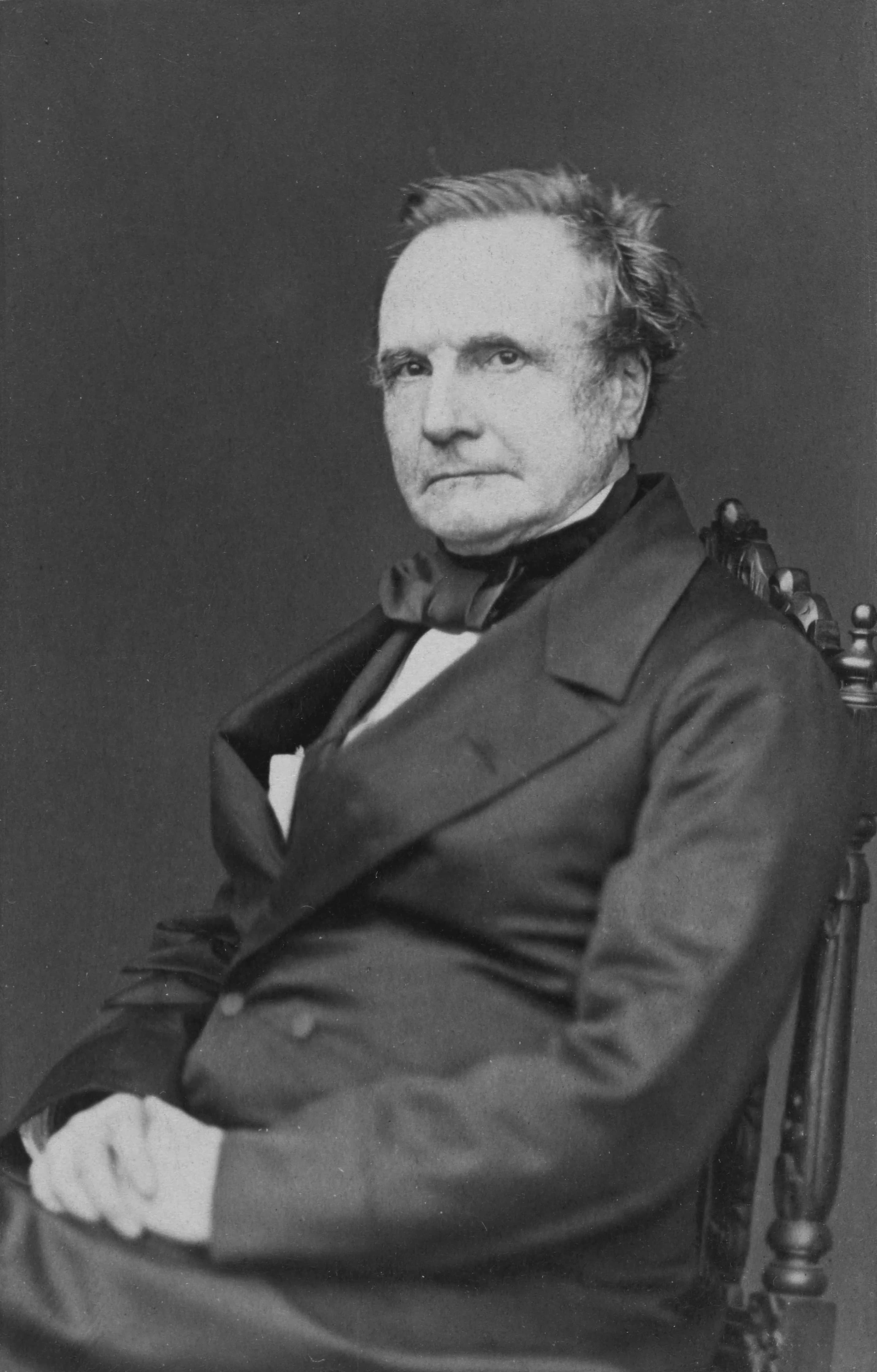
Charles Babbage
Charles Babbage was an English polymath
 Early Electronic
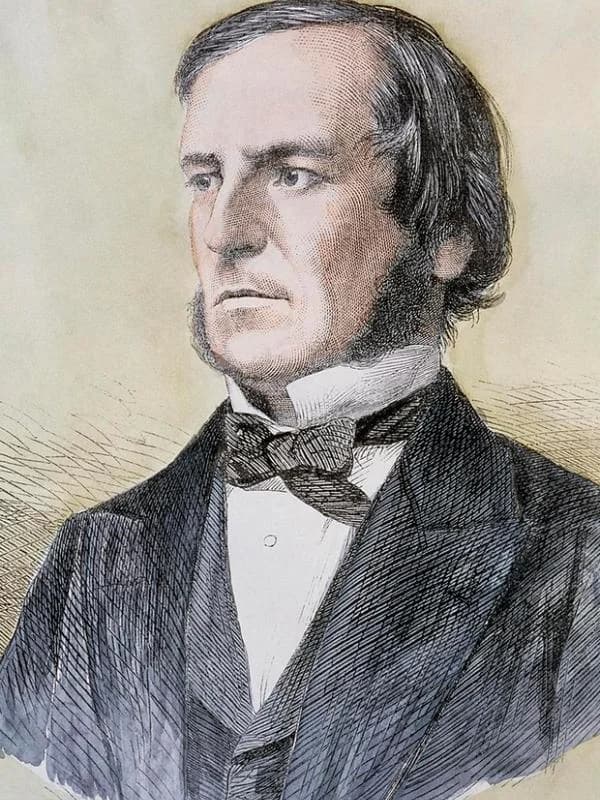
George Boole
George Boole was an English autodidact, mathematician, philosopher and logician who served as the first
 Early Electronic
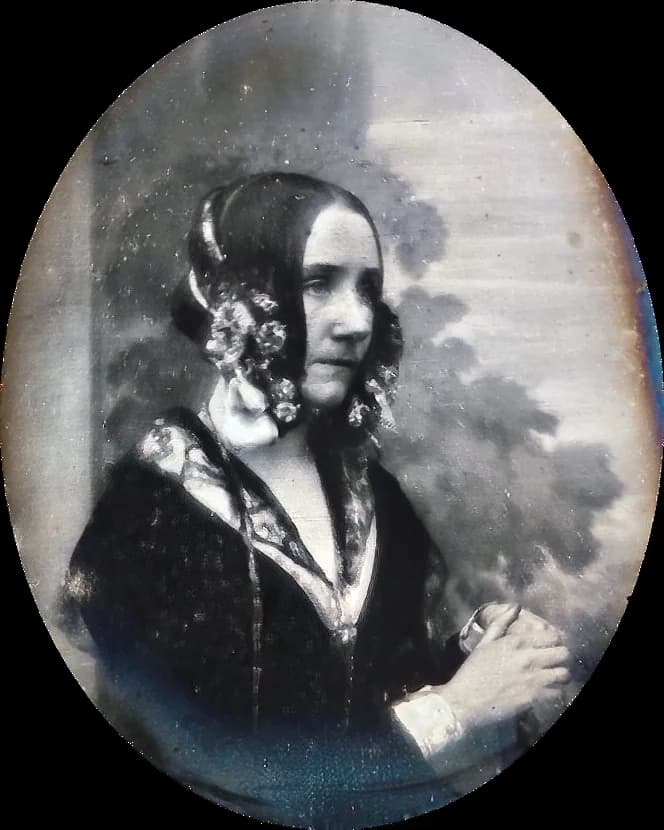
Ada Lovelace
Augusta Ada King, Countess of Lovelace, also known as Ada Lovelace, was an English mathematician