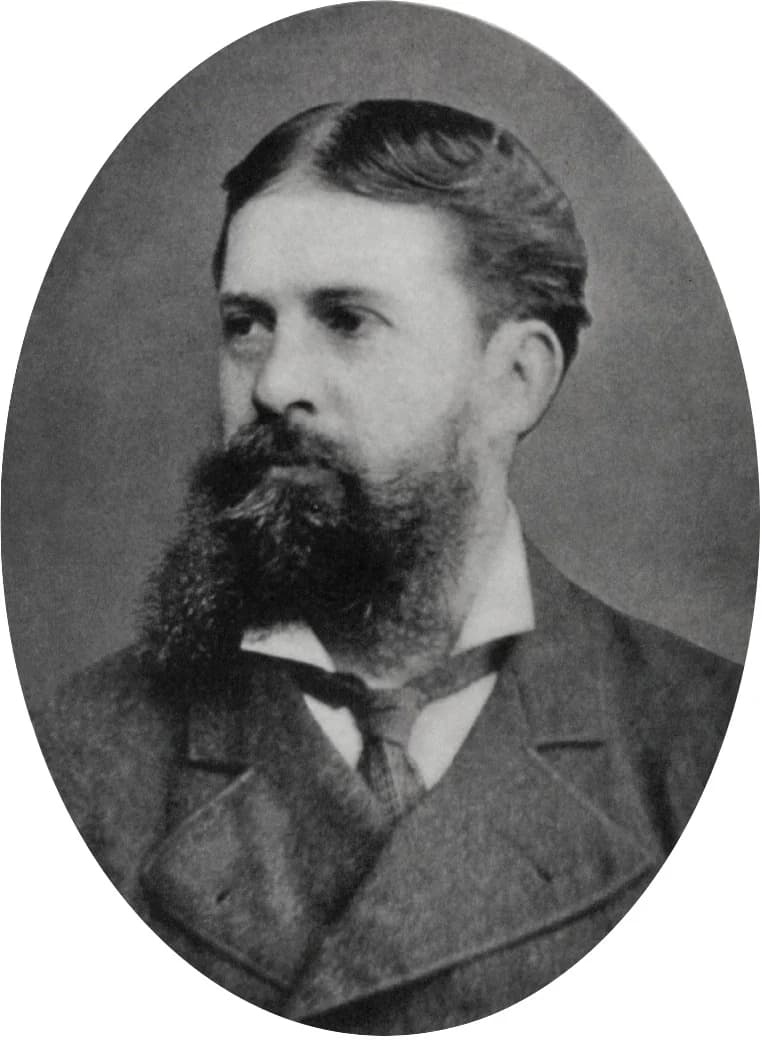
Charles Sanders Peirce was an American scientist, mathematician, logician, and philosopher who is sometimes known
Charles Sanders Peirce was an American philosopher, logician, mathematician, and scientist. He is known for being one of the founders of pragmatism, an influential philosophical tradition, and for his work in logic, where he developed a form of predicate logic that's been essential to the development of various fields, including computer science. He also contributed to the development of semiotics, the study of signs and symbols.
Proved the functional completeness of the NOR gate. Proposed the implementation of logic via electrical circuits, decades before Claude Shannon. Extended Aristotelian logic with first-order predicate calculus, independently of Gottlob Frege, a crucial precursor in computability theory. Also relevant to early work on artificial intelligence, logic programming.
Charles Sanders Peirce was an American scientist, mathematician, logician, and philosopher who is sometimes known as "the father of pragmatism". According to philosopher Paul Weiss, writing in 1934, Peirce was "the most original and versatile of America's philosophers and America's greatest logician". Bertrand Russell wrote in 1959, "he was one of the most original minds of the later nineteenth century and certainly the greatest American thinker ever".
Photometric Researches
Other
Johns Hopkins University
1879–1884
National Geodetic Survey
1859–1891
Harvard School of Engineering and Applied Sciences
Harvard University
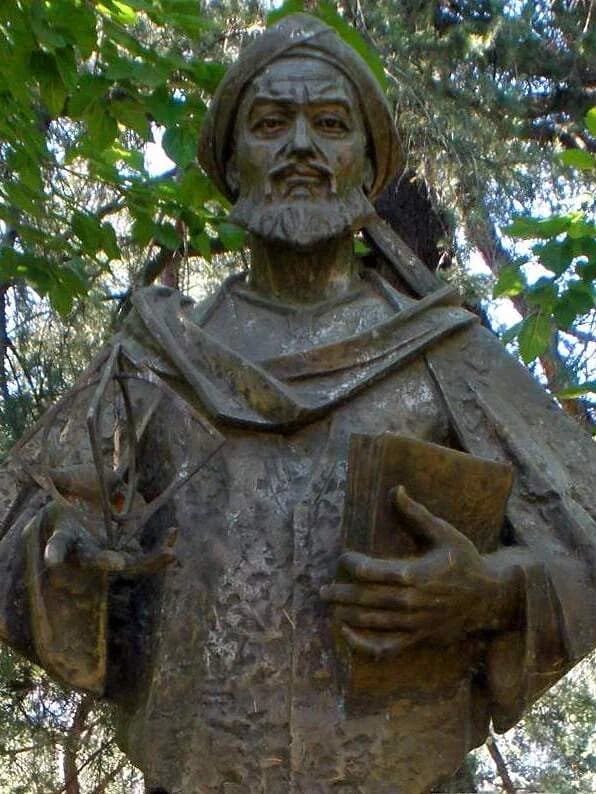 Ancient & Medieval
Al-Khwarizmi
Muhammad ibn Musa al-Khwarizmi, or simply al-Khwarizmi was a mathematician active during the Islamic Golden
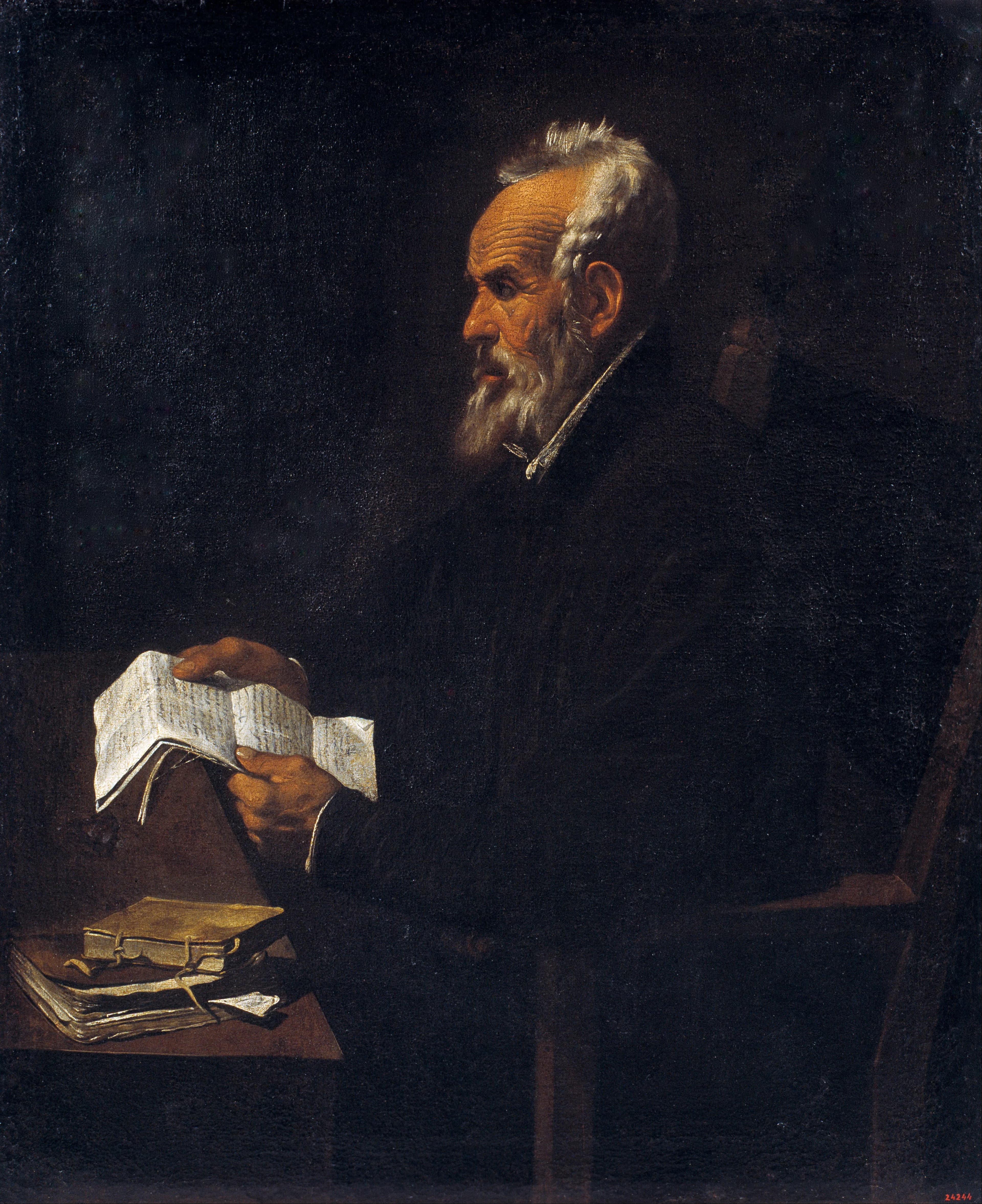 Ancient & Medieval
Ramon Llull
Ramon Llull, sometimes anglicized as Raymond Lully, was a Catholic philosopher, theologian, poet, missionary, apologist
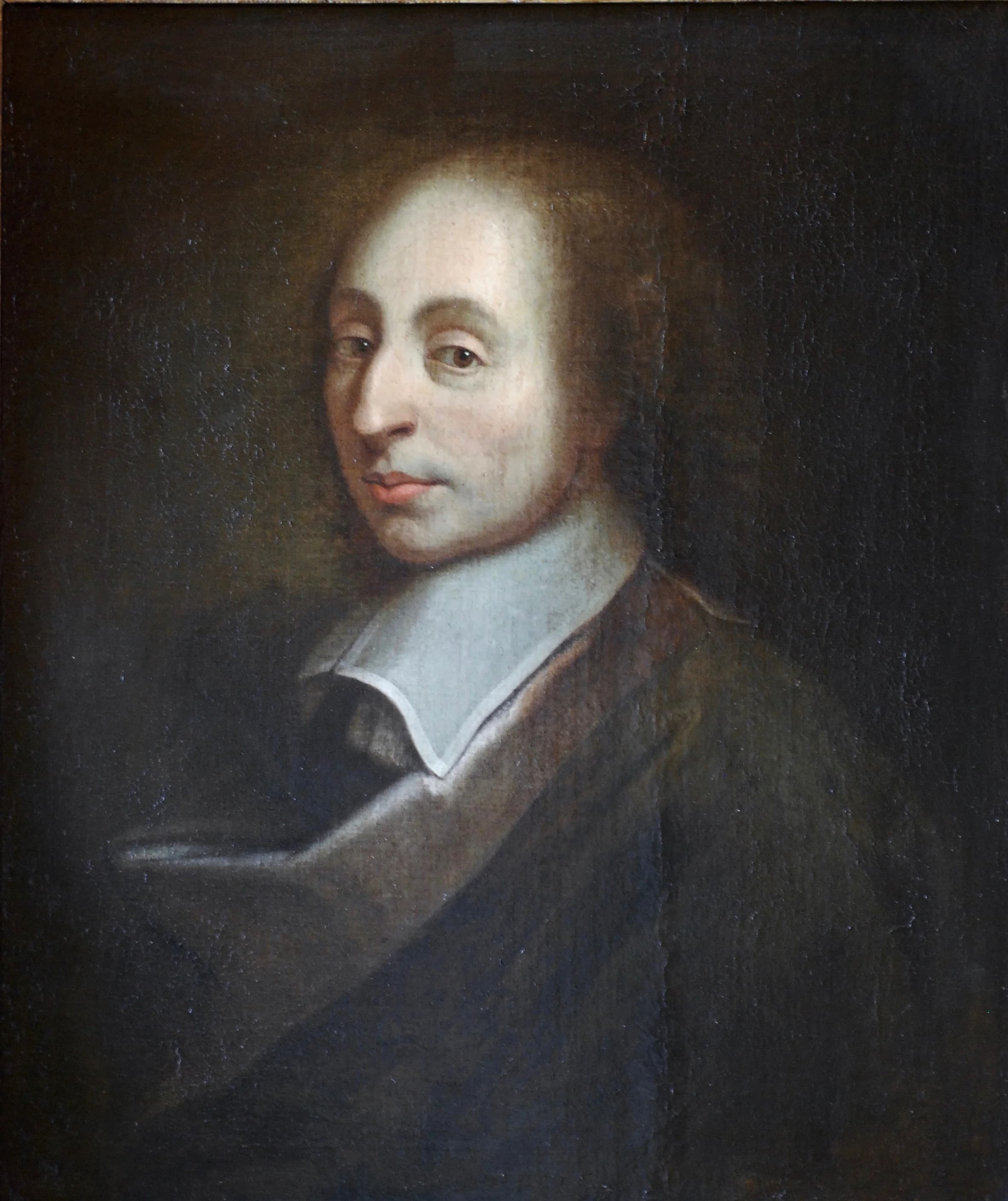 Mechanical
Blaise Pascal
Blaise Pascal was a French mathematician, physicist, inventor, philosopher, and Catholic writer
 Mechanical
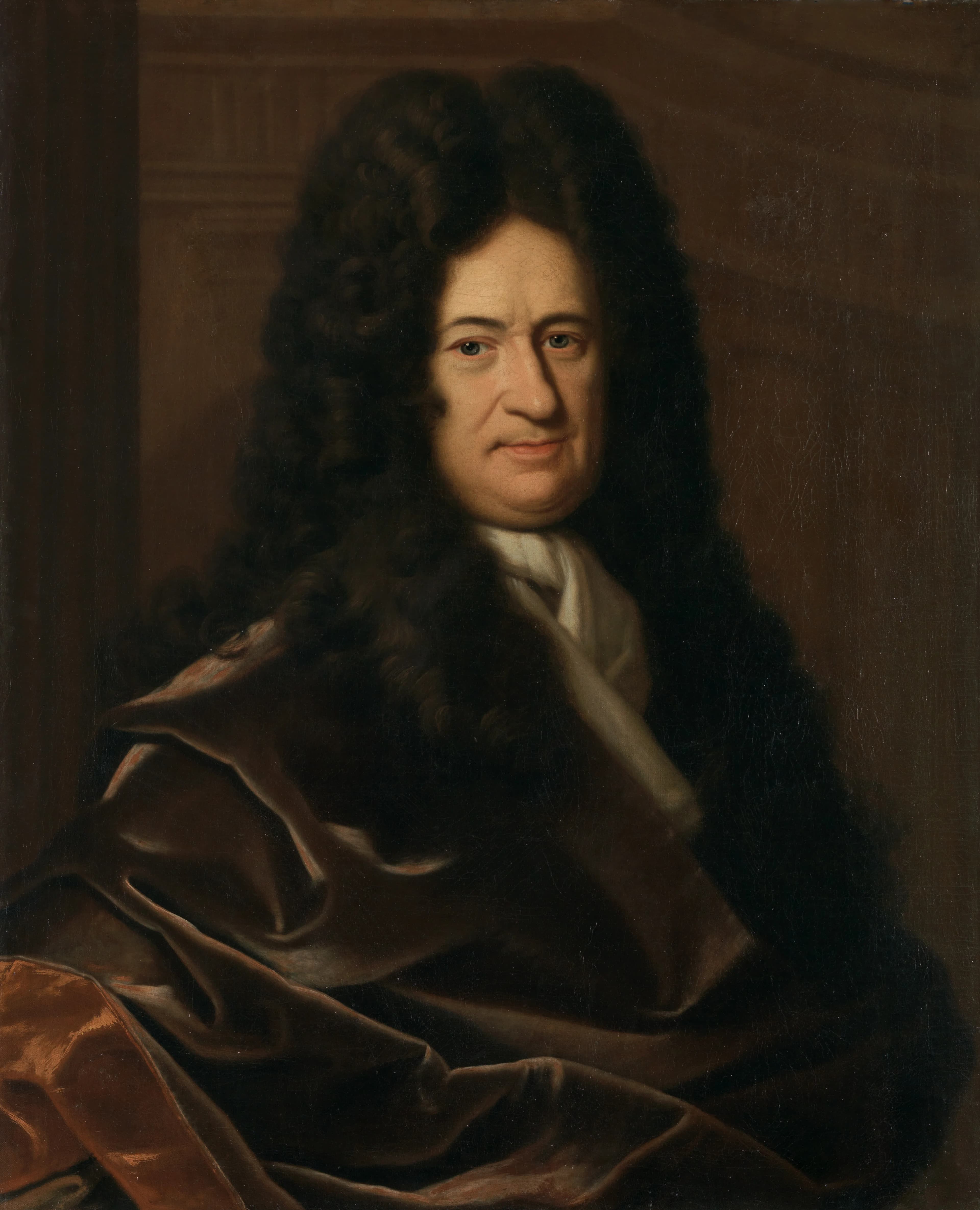
Gottfried Leibniz
Gottfried Wilhelm Leibniz was a German polymath active as a mathematician, philosopher, scientist, and diplomat