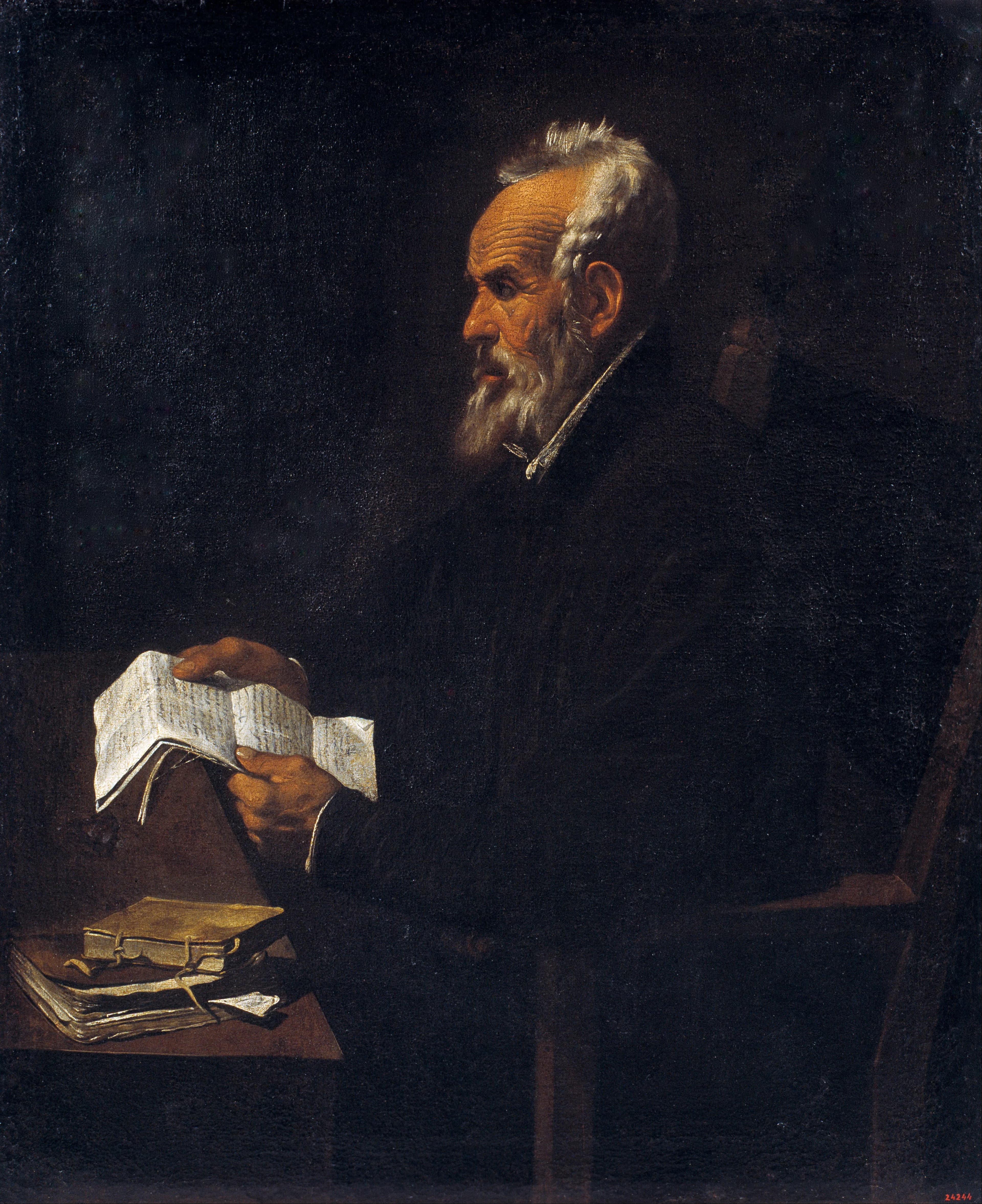
Ramon Llull, sometimes anglicized as Raymond Lully, was a Catholic philosopher, theologian, poet, missionary, apologist
Ramon Llull (1232–1316), also known as Raymond Lull or Lully, was a mathematician, polymath, philosopher, logician, Franciscan tertiary, and writer from the Kingdom of Majorca. He is best known for his Ars Combinatoria, a method aimed at discovering truth by combining basic elements of knowledge through a systematic process.
Designed multiple symbolic representations machines, and pioneered notions of symbolic representation and manipulation to produce knowledge—both of which were major influences on Leibniz.
Ramon Llull, sometimes anglicized as Raymond Lully, was a Catholic philosopher, theologian, poet, missionary, apologist and former knight, born in Palma de Majorca. He invented a philosophical system known as the Art, conceived as a type of universal logic to prove the truth of Christian doctrine to interlocutors of all faiths and nationalities. The Art consists of a set of general principles and combinatorial operations. It is illustrated with diagrams.
Book of the Gentile and the Three Wise Men
Other
Art de contemplació
Other
Book of Contemplation in God
Other
Book of the Order of Chivalry
Other
Doctrina pueril
Other
Blanquerna
Other
Felix or the Book of Wonders
Other
Llibre de santa Maria
Other
Tree of Science
Other
Book of the Beasts
Other
Llibre de Benedicta tu in mulieribus
Other
Hores de Sancta Maria
Other
Mil proverbis
Other
Ars magna
Other
Proverbis de Ramon
Other
Proverbis d'ensenyament
Other
Llibre d'Amic e Amat
Other
University of Montpellier
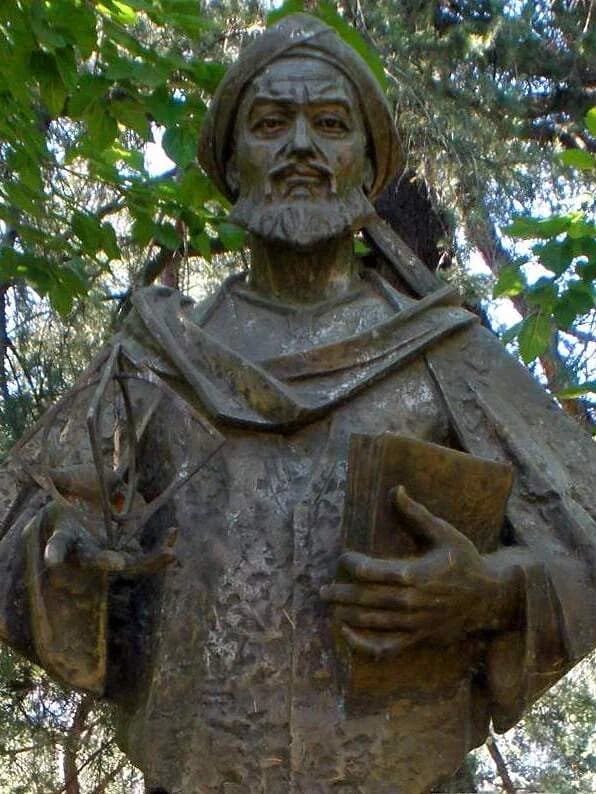 Ancient & Medieval
Al-Khwarizmi
Muhammad ibn Musa al-Khwarizmi, or simply al-Khwarizmi was a mathematician active during the Islamic Golden
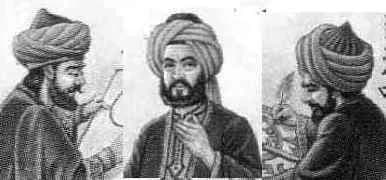 Ancient & Medieval
Banu Musa Brothers
Muhammad ibn Musa al-Khwarizmi, or simply al-Khwarizmi was a mathematician active during the Islamic Golden
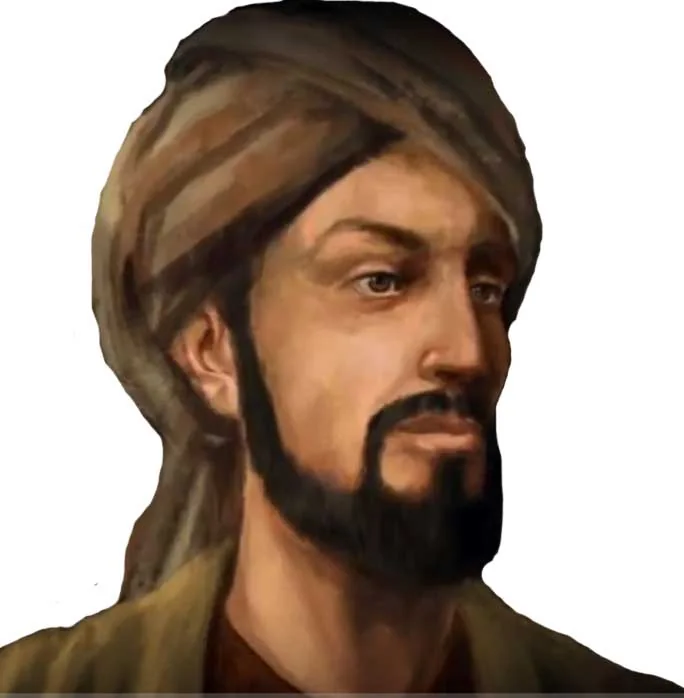 Ancient & Medieval
Al-Jazari
Badīʿ az-Zaman Abu l-ʿIzz ibn Ismāʿīl ibn ar-Razāz al-Jazarī was a polymath, scholar, inventor, mechanical
 Mechanical
Blaise Pascal
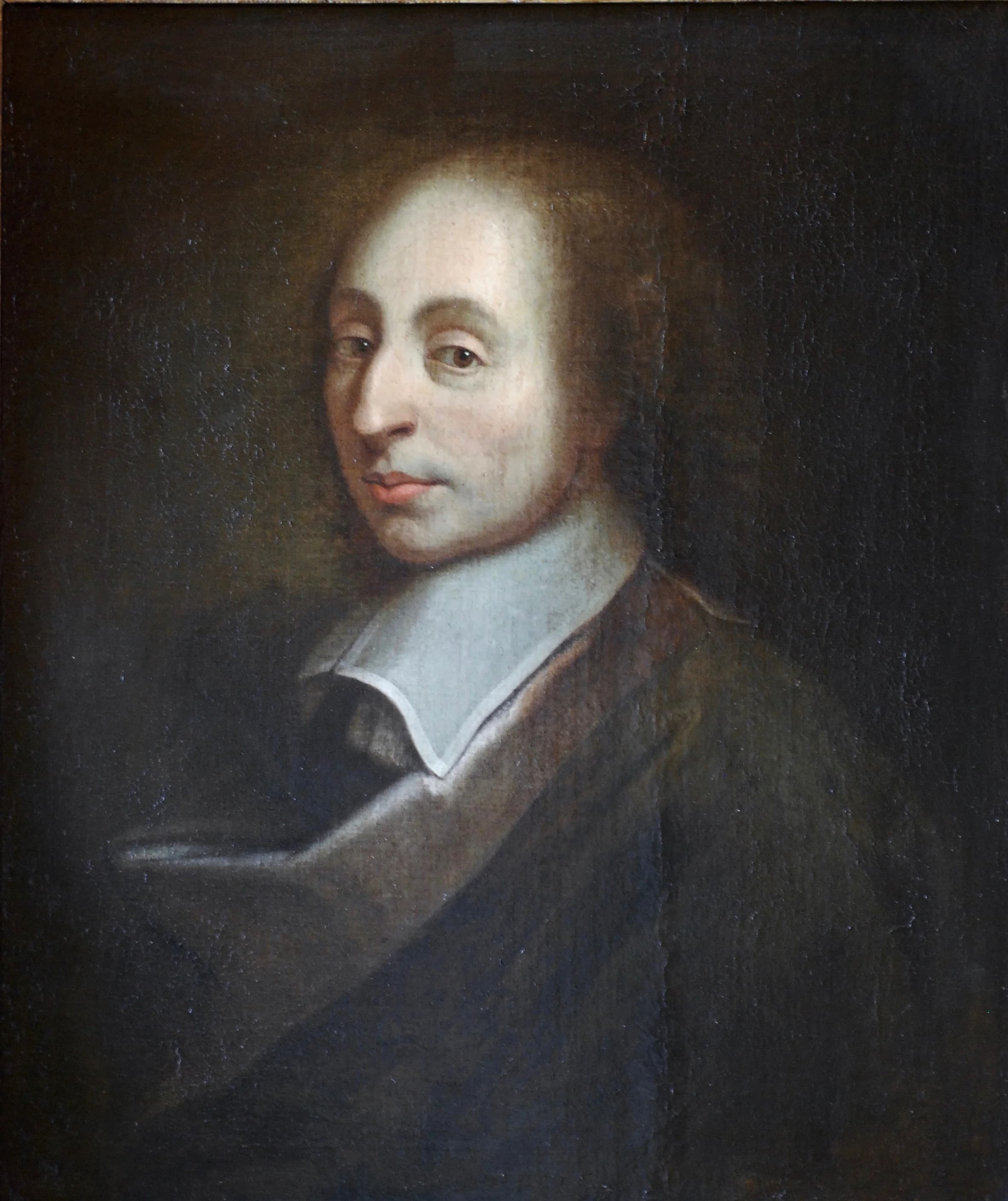
Blaise Pascal was a French mathematician, physicist, inventor, philosopher, and Catholic writer