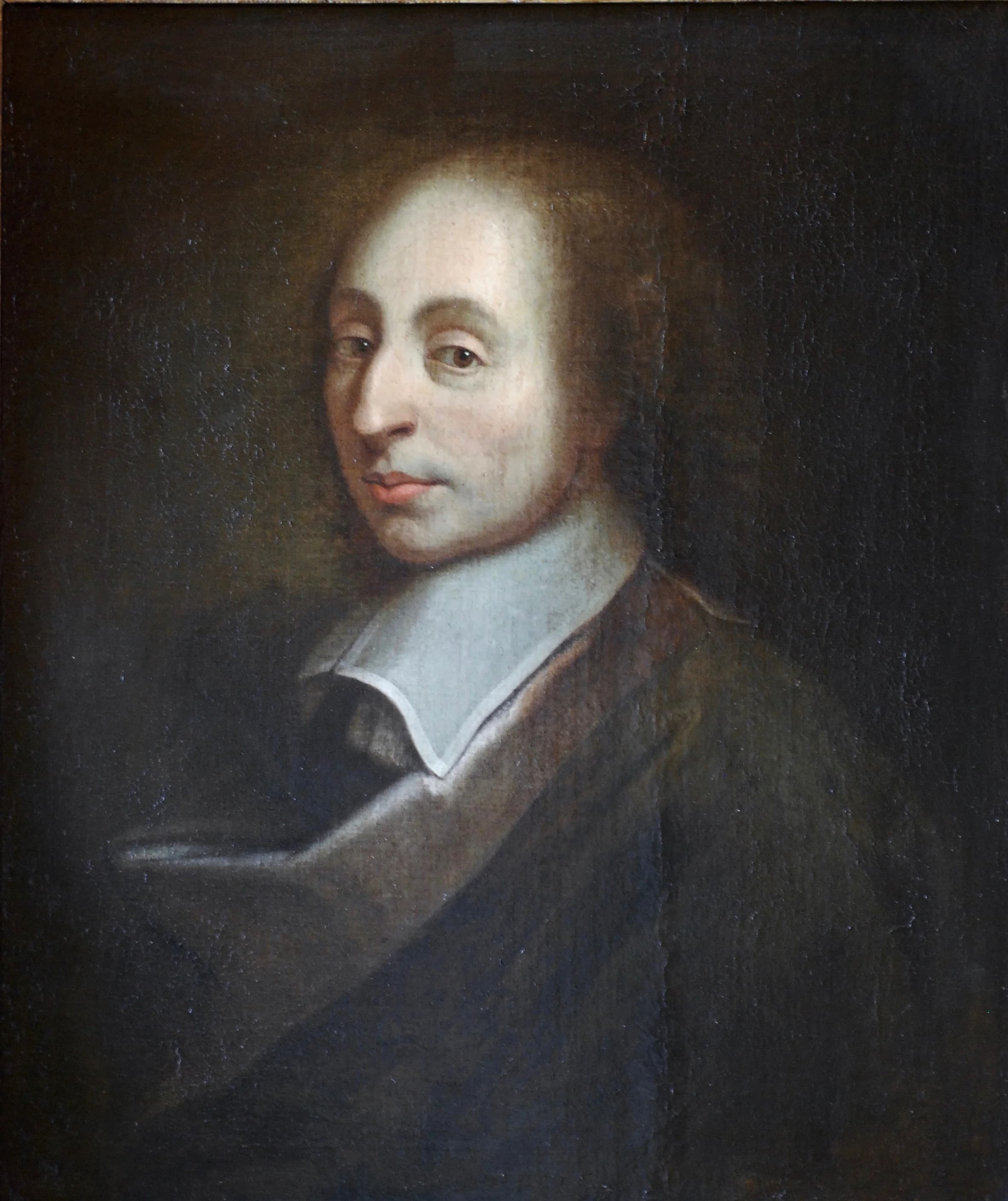
Blaise Pascal was a French mathematician, physicist, inventor, philosopher, and Catholic writer
Blaise Pascal was a French mathematician, physicist, inventor, writer, and Catholic theologian who lived in the 17th century. He made several important contributions to mathematics and physical sciences, and also invented the Pascaline, an early mechanical calculator.
Pascal is famous for his contributions to probability theory and his work with Pascal's Triangle which is used in binomial expansion. Pascal is also known for inventing an early digital calculator, a syringe, a hydraulic press, and the roulette wheel.He also invented the mechanical calculator.
Blaise Pascal was a French mathematician, physicist, inventor, philosopher, and Catholic writer.
New experiments with the vacuum
Other
Récit de la grande expérience de l'équilibre des liqueurs 1648
Other
Écrits sur la grâce
Other
Lettres provinciales
Other
Traité des Sinus du Quart de Cercle
Other
Traité du triangle arithmétique
Other
Pensées
Other
Pascal's theorem
Other
Pascal's calculator
Other
Pascal's rule
Other
Pascal's pyramid
Other
Pascal's Wager
Other
Pascal's law
Other
triangle of Pascal
Other
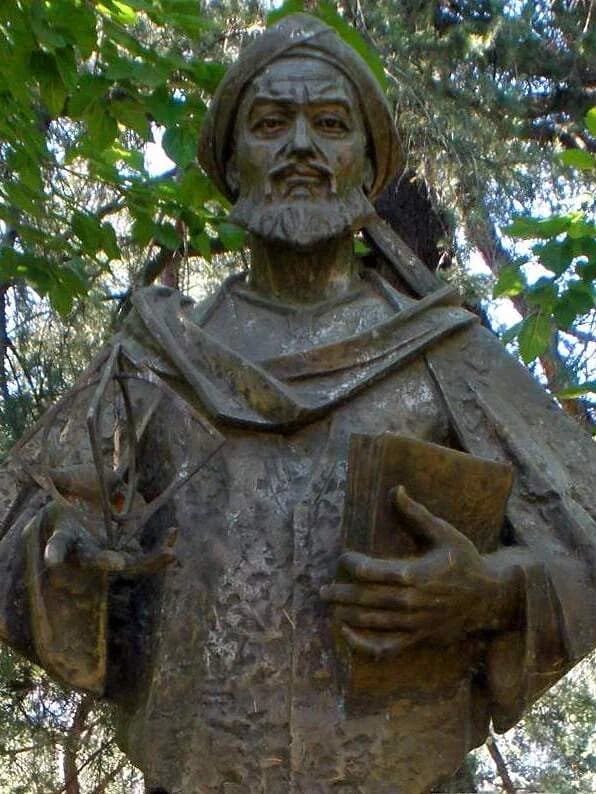 Ancient & Medieval
Al-Khwarizmi
Muhammad ibn Musa al-Khwarizmi, or simply al-Khwarizmi was a mathematician active during the Islamic Golden
 Ancient & Medieval
Banu Musa Brothers
Muhammad ibn Musa al-Khwarizmi, or simply al-Khwarizmi was a mathematician active during the Islamic Golden
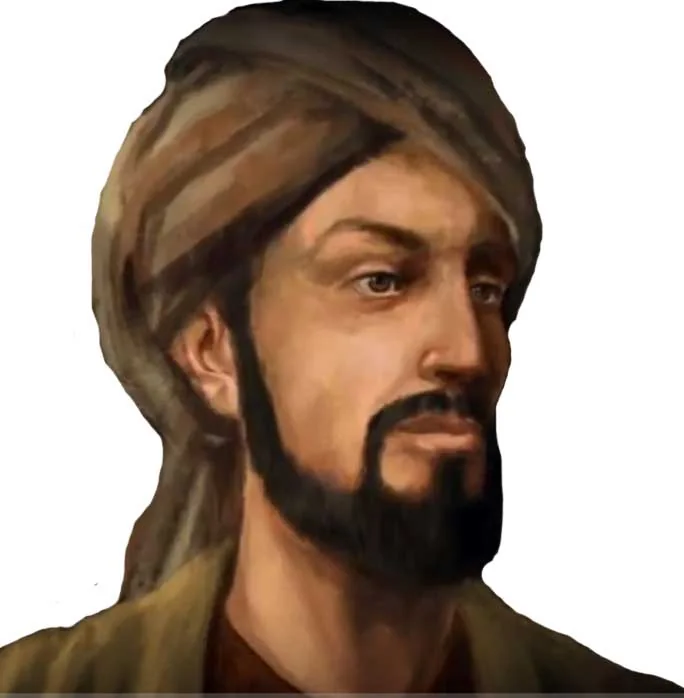 Ancient & Medieval
Al-Jazari
Badīʿ az-Zaman Abu l-ʿIzz ibn Ismāʿīl ibn ar-Razāz al-Jazarī was a polymath, scholar, inventor, mechanical
 Ancient & Medieval
Ramon Llull
Ramon Llull, sometimes anglicized as Raymond Lully, was a Catholic philosopher, theologian, poet, missionary, apologist