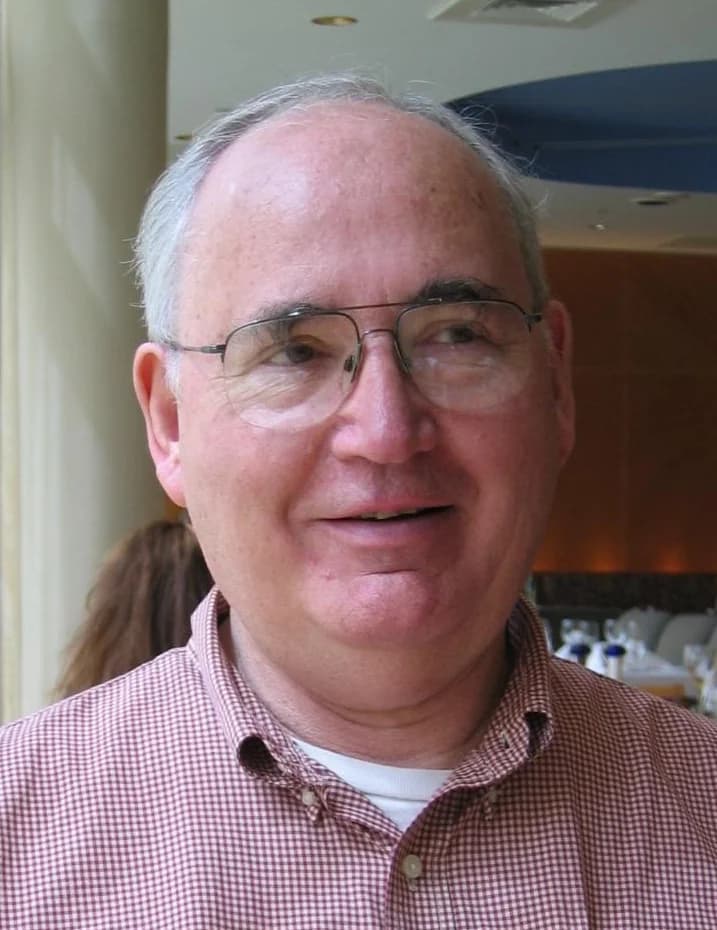
Dana Stewart Scott is an American logician who is the Hillman University Professor emeritus of
Dana Scott (born 1932) is an American mathematician and computer scientist. He is known for his contributions to the field of theoretical computer science, particularly in the area of semantics of programming languages. Scott's work on lambda calculus and denotational semantics has had a significant impact on the foundations of programming languages and mathematical logic.
The joint paper "Finite Automata and Their Decision Problems," which introduced the idea of nondeterministic machines, which has proved to be an enormously valuable concept. Their (Scott & Rabin) classic paper has been a continuous source of inspiration for subsequent work in this field.
Dana Stewart Scott is an American logician who is the Hillman University Professor emeritus of Computer Science, Philosophy, and Mathematical Logic at Carnegie Mellon University. He is now retired and lives in Berkeley, California. He and Michael O. Rabin won the 1976 ACM Turing Award for their work on automata theory, while his collaborative work with Christopher Strachey in the 1970s laid the foundations of modern approaches to the semantics of programming languages. He has also worked on modal logic, topology, and category theory.
 Personal Computing
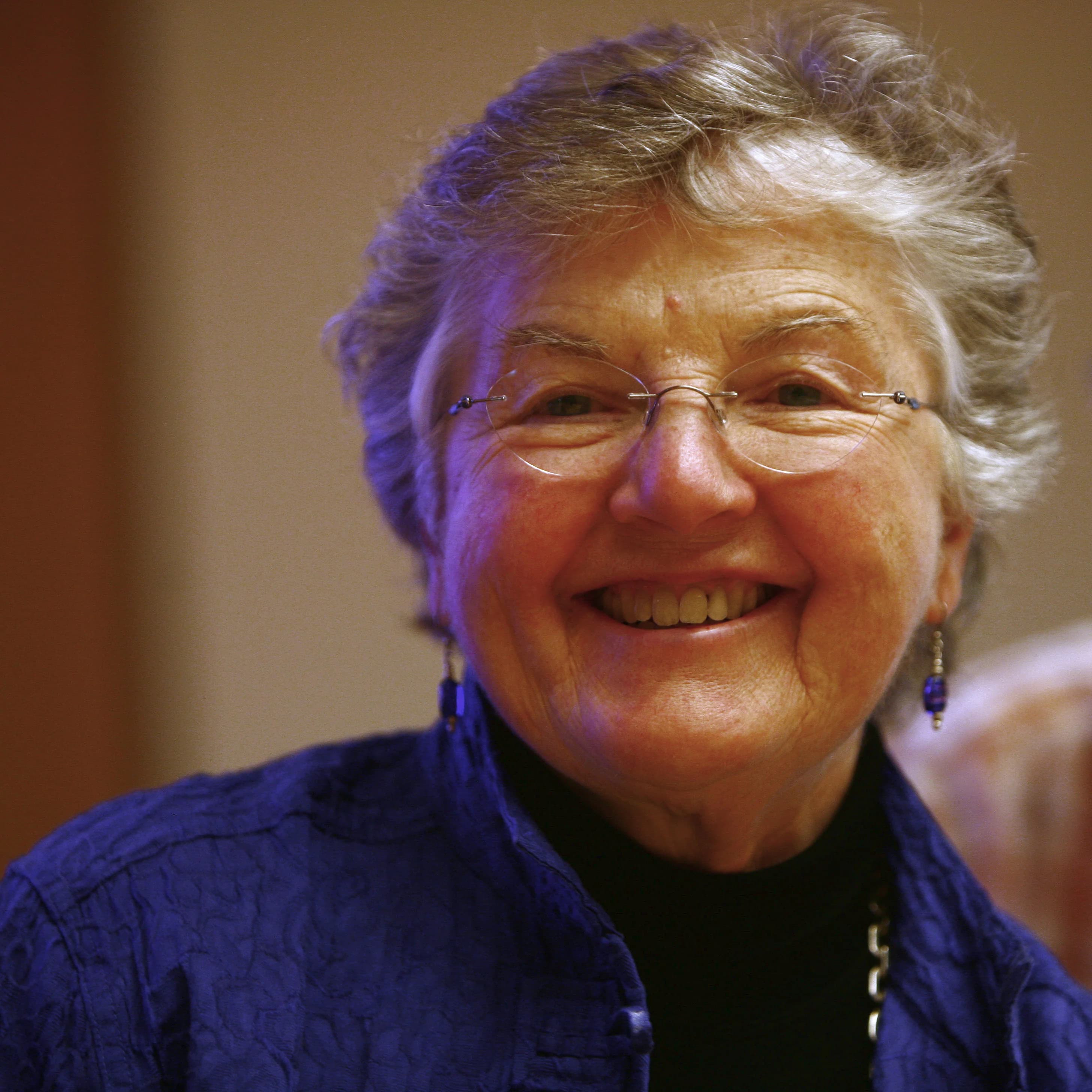
Frances E. Allen
Frances Elizabeth Allen was an American computer scientist and pioneer in the field of optimizing
 Personal Computing
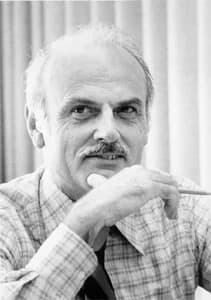
Edgar F. Codd
Edgar Frank "Ted" Codd was a British computer scientist who, while working for IBM, invented
 Personal Computing
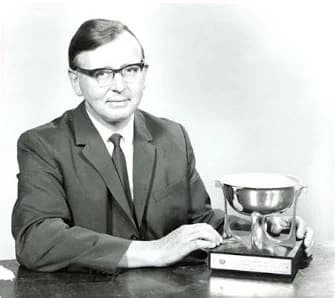
James H. Wilkinson
James Hardy Wilkinson FRS was a prominent figure in the field of numerical analysis, a
 Personal Computing
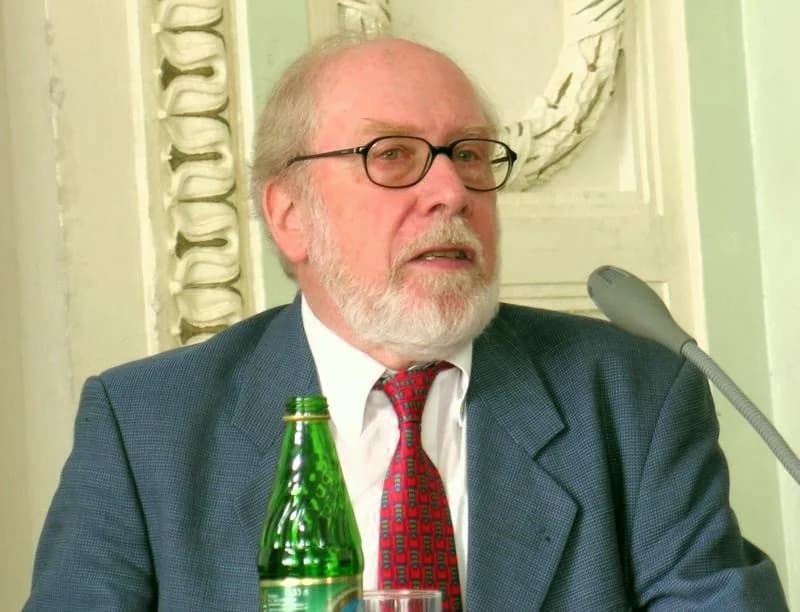
Niklaus Wirth
Niklaus Emil Wirth was a Swiss computer scientist