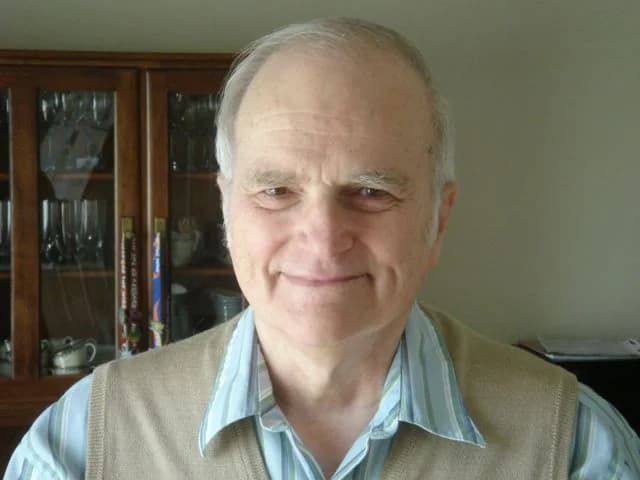
Richard Edwin Stearns is an American computer scientist who, with Juris Hartmanis, received the 1993
Richard E. Stearns (born 1936) is an American computer scientist and recipient of the Turing Award. He has made significant contributions to the field of computational complexity theory. Stearns co-developed the theory of NP-completeness and has contributed to the understanding of the computational complexity of various problems and algorithms.
Known for co-founding computational complexity theory. Along with Juris Hartmanis, he proved the Time Hierarchy Theorem, contributed to automata theory, and received the Turing Award in 1993. His work advanced our understanding of algorithmic complexity and formal languages.
Richard Edwin Stearns is an American computer scientist who, with Juris Hartmanis, received the 1993 ACM Turing Award "in recognition of their seminal paper which established the foundations for the field of computational complexity theory". In 1994 he was inducted as a Fellow of the Association for Computing Machinery.
General Electric
1961–1978
New York University
State University of New York at Albany
1978–2000
Carleton College
Bachelor of Arts
1958
Princeton University
Doctor of Philosophy
1961
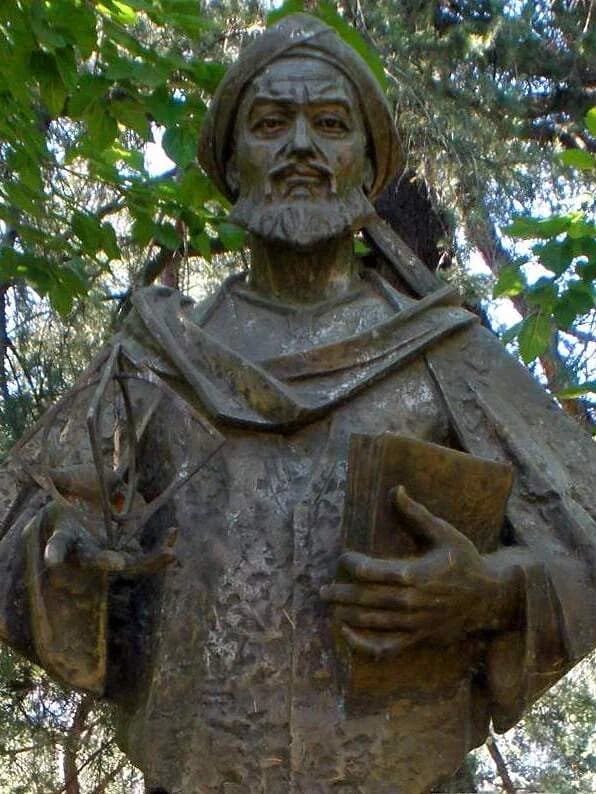 Ancient & Medieval
Al-Khwarizmi
Muhammad ibn Musa al-Khwarizmi, or simply al-Khwarizmi was a mathematician active during the Islamic Golden
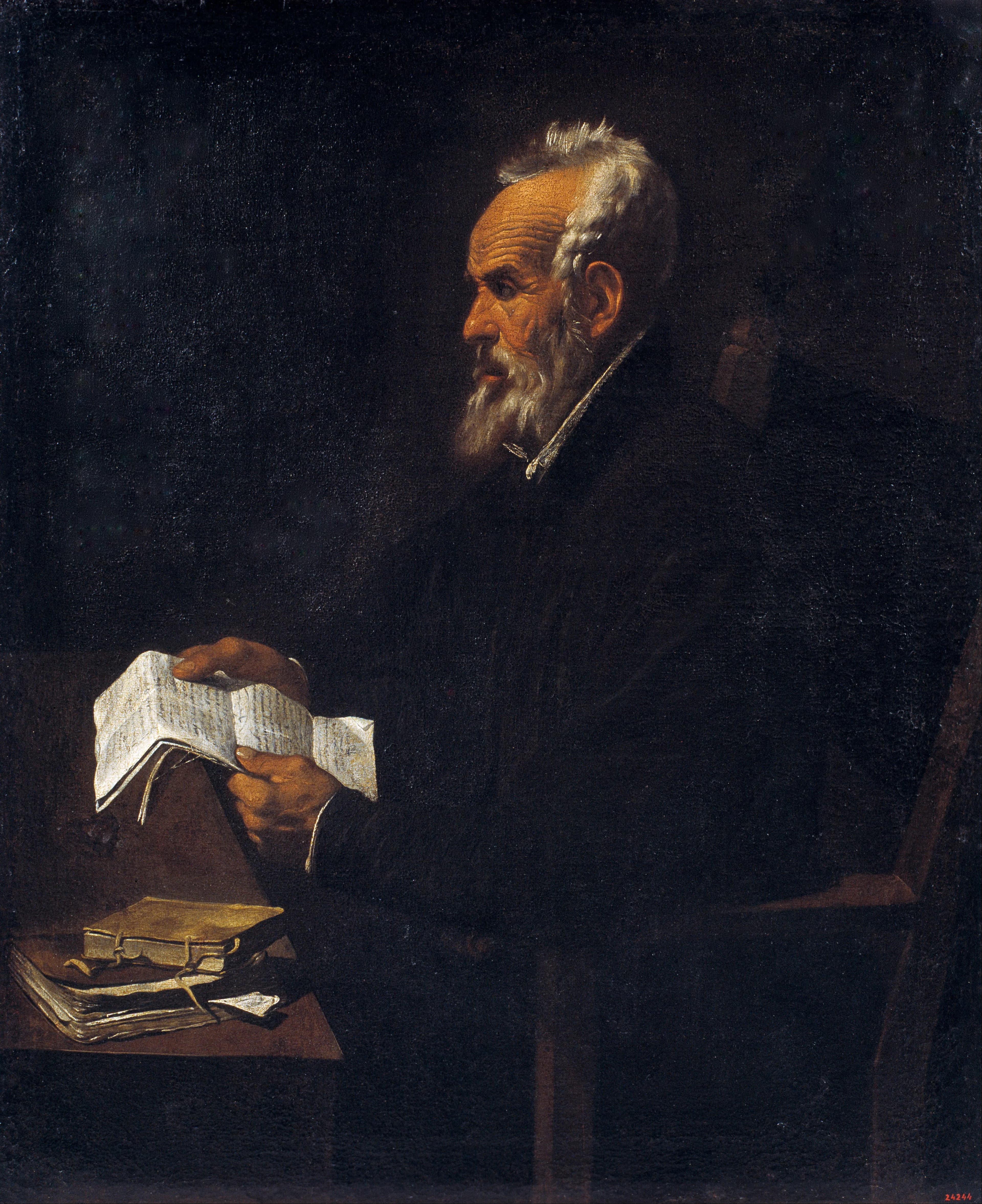 Ancient & Medieval
Ramon Llull
Ramon Llull, sometimes anglicized as Raymond Lully, was a Catholic philosopher, theologian, poet, missionary, apologist
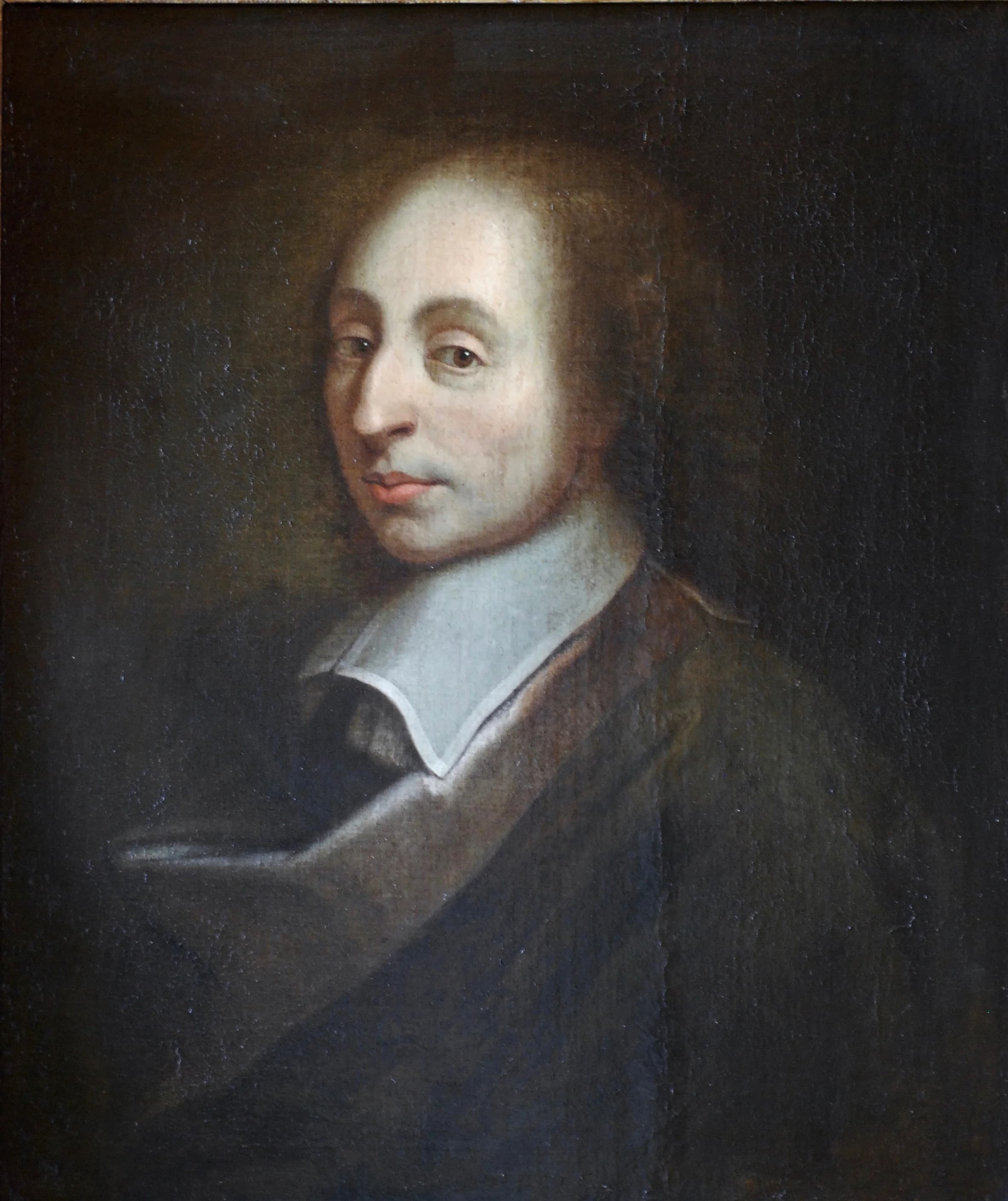 Mechanical
Blaise Pascal
Blaise Pascal was a French mathematician, physicist, inventor, philosopher, and Catholic writer
 Mechanical
Gottfried Leibniz
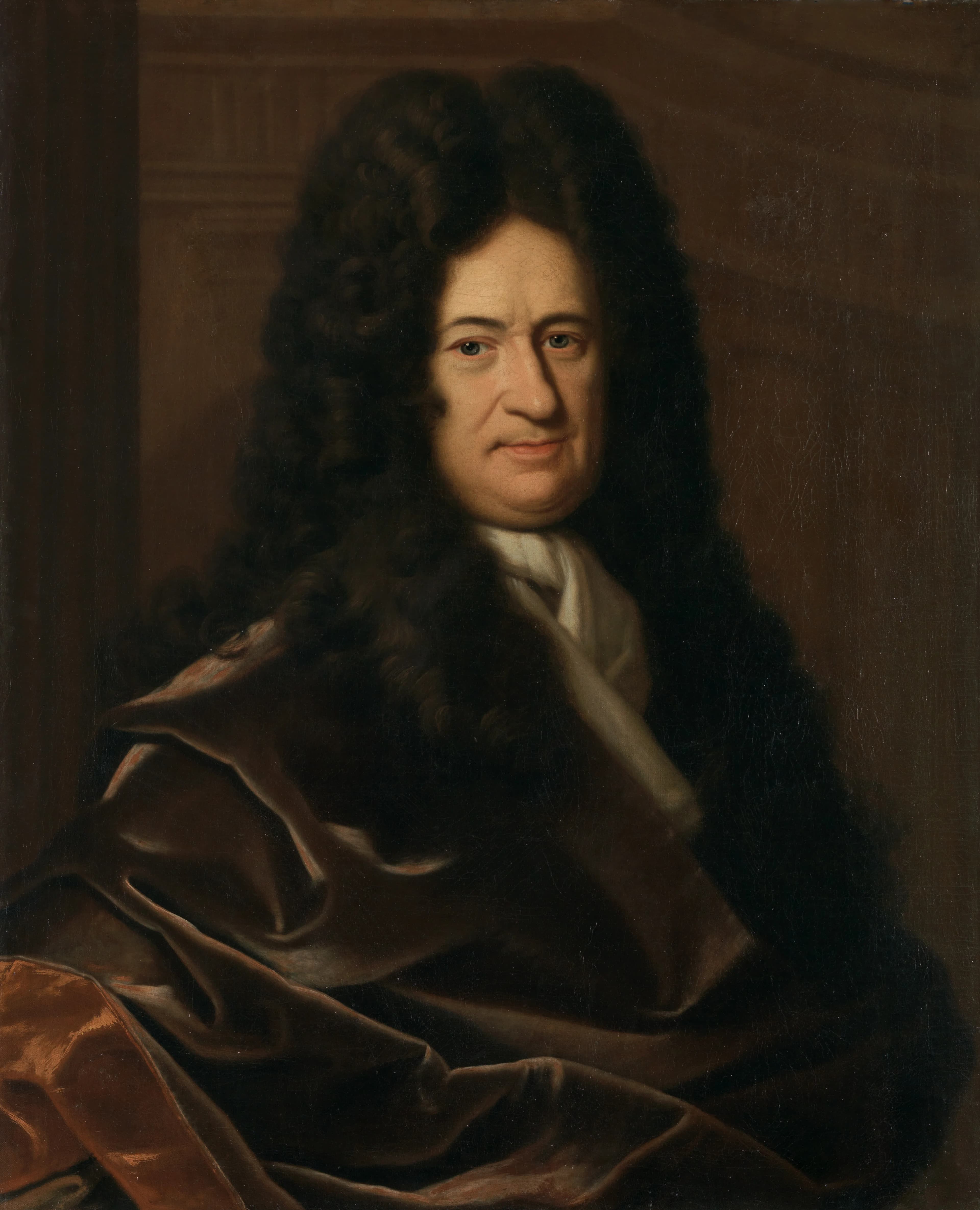
Gottfried Wilhelm Leibniz was a German polymath active as a mathematician, philosopher, scientist, and diplomat