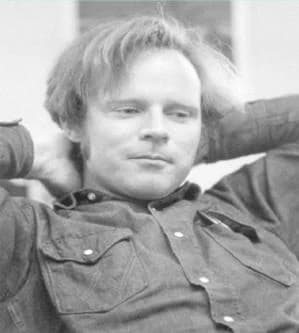
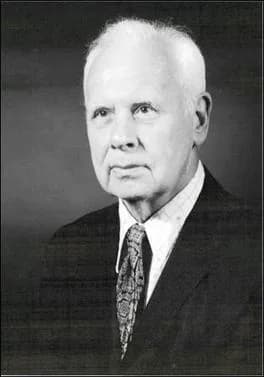
Robert W
Robert W. Floyd (1936-2001) was an American computer scientist and mathematician. He made significant contributions to the field of algorithm analysis and design, particularly in the areas of graph algorithms and program verification. Floyd is known for his work on algorithmic complexity and the development of the Floyd-Warshall algorithm for all-pairs shortest paths.
Had a clear influence on methodologies for the creation of efficient and reliable software; helped to found these important sub-fields of computer science: theory of parsing, semantics of programming languages, automatic program verification, automatic program synthesis, and analysis of algorithms.
Robert W. Floyd was an American computer scientist. His contributions include the design of the Floyd–Warshall algorithm, which efficiently finds all shortest paths in a graph and his work on parsing; Floyd's cycle-finding algorithm for detecting cycles in a sequence was attributed to him as well. In one isolated paper he introduced the important concept of error diffusion for rendering images, also called Floyd–Steinberg dithering. He pioneered in the field of program verification using logical assertions with the 1967 paper Assigning Meanings to Programs. This was a contribution to what later became Hoare logic. Floyd received the Turing Award in 1978.
Carnegie Mellon University
Stanford University
University of Chicago
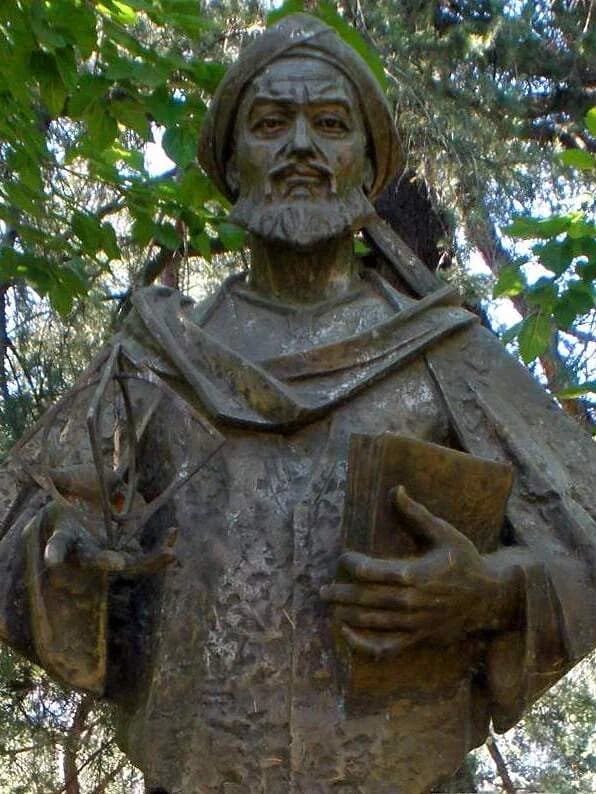 Ancient & Medieval
Al-Khwarizmi
Muhammad ibn Musa al-Khwarizmi, or simply al-Khwarizmi was a mathematician active during the Islamic Golden
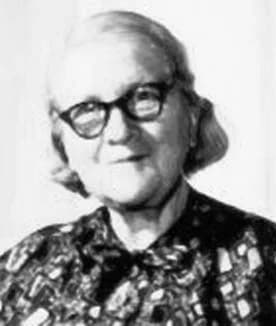 Early Electronic
Rózsa Péter
Rózsa Péter, until January 1934 Rózsa Politzer, was a Hungarian mathematician and logician
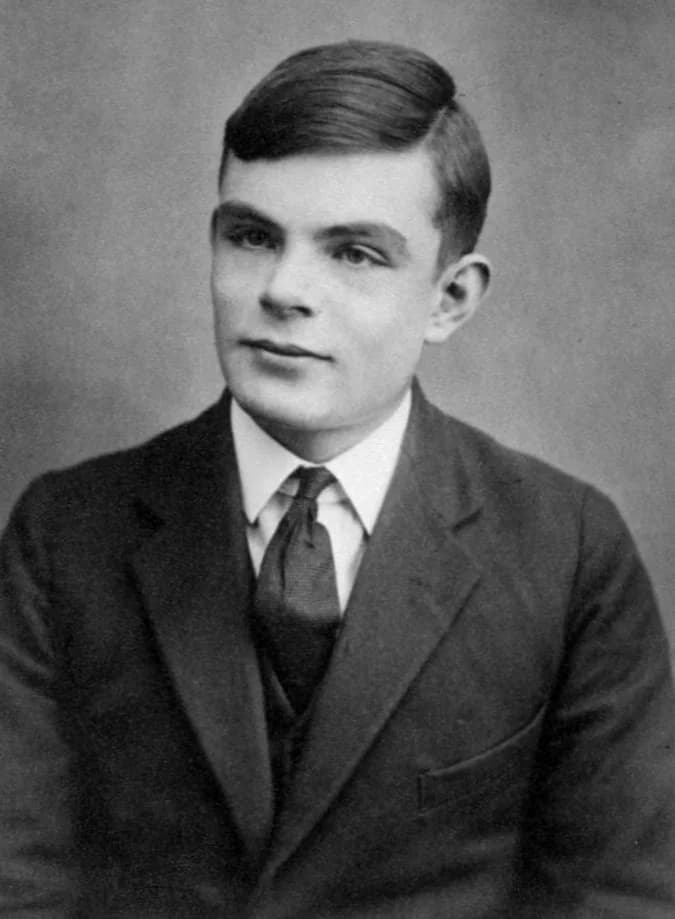 Early Electronic
Alan Turing
Alan Mathison Turing was an English mathematician, computer scientist, logician, cryptanalyst, philosopher and theoretical biologist
 Early Electronic
George R. Stibitz
George Robert Stibitz was an American researcher at Bell Labs who is internationally recognized as