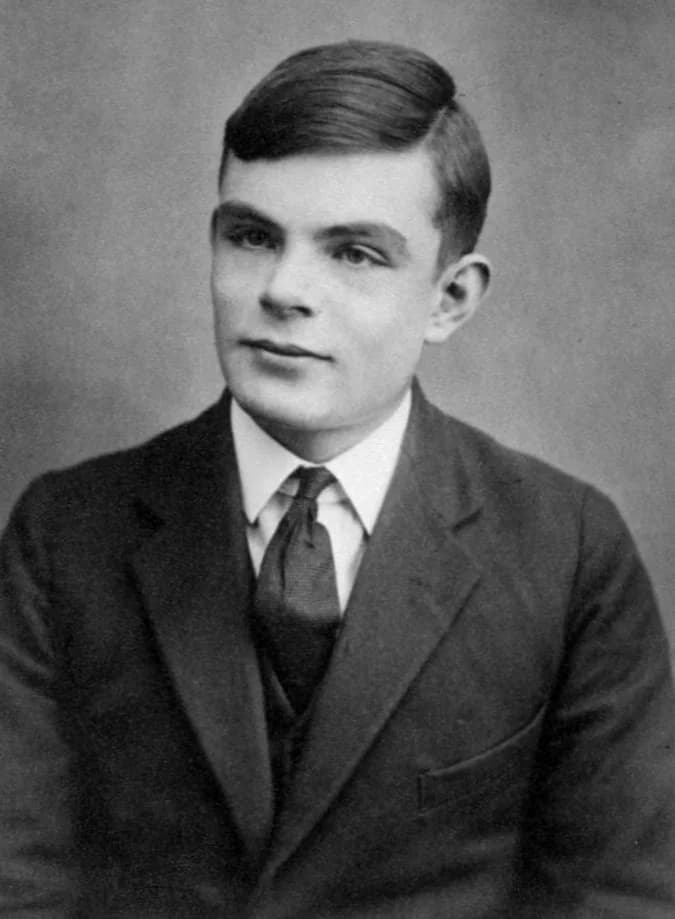
Alan Mathison Turing was an English mathematician, computer scientist, logician, cryptanalyst, philosopher and theoretical biologist
Alan Turing (1912-1954) was a British mathematician, logician, and computer scientist. He is known for his groundbreaking work in theoretical computer science and artificial intelligence. Turing's contributions to the field include the concept of a universal Turing machine and his role in breaking the Enigma code during World War II.
Made several fundamental contributions to theoretical computer science, including the Turing machine computational model, the conceiving of the stored program concept and the designing of the high-speed ACE design. Independently of Alonzo Church, he formulated the Church-Turing thesis and proved that first-order logic is undecidable. He also explored the philosophical issues concerning artificial intelligence, proposing what is now known as Turing test.
Alan Mathison Turing was an English mathematician, computer scientist, logician, cryptanalyst, philosopher and theoretical biologist. He was highly influential in the development of theoretical computer science, providing a formalisation of the concepts of algorithm and computation with the Turing machine, which can be considered a model of a general-purpose computer. Turing is widely considered to be the father of theoretical computer science.
Turing machine
Other
Symmetric Turing machine
Other
non-deterministic Turing machine
Other
probabilistic Turing machine
Other
Church–Turing thesis
Other
Turing test
Other
Turing completeness
Other
Turing degree
Other
universal Turing machine
Other
Intelligent Machinery
Other
Bombe
Other
halting problem
Other
Victoria University of Manchester
1948–1952
Government Communications Headquarters
1938–1945
University of Cambridge
1934–1937
National Physical Laboratory
1945–1947
Hazlehurst Community Primary School
1926
Sherborne School
1931
King's College
1934
Princeton University
1938
Influenced by
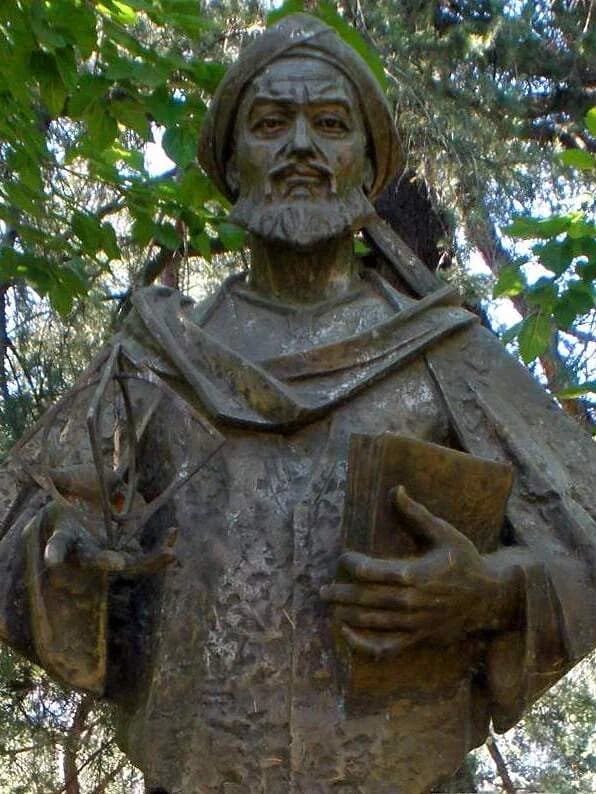 Ancient & Medieval
Al-Khwarizmi
Muhammad ibn Musa al-Khwarizmi, or simply al-Khwarizmi was a mathematician active during the Islamic Golden
 Ancient & Medieval
Banu Musa Brothers
Muhammad ibn Musa al-Khwarizmi, or simply al-Khwarizmi was a mathematician active during the Islamic Golden
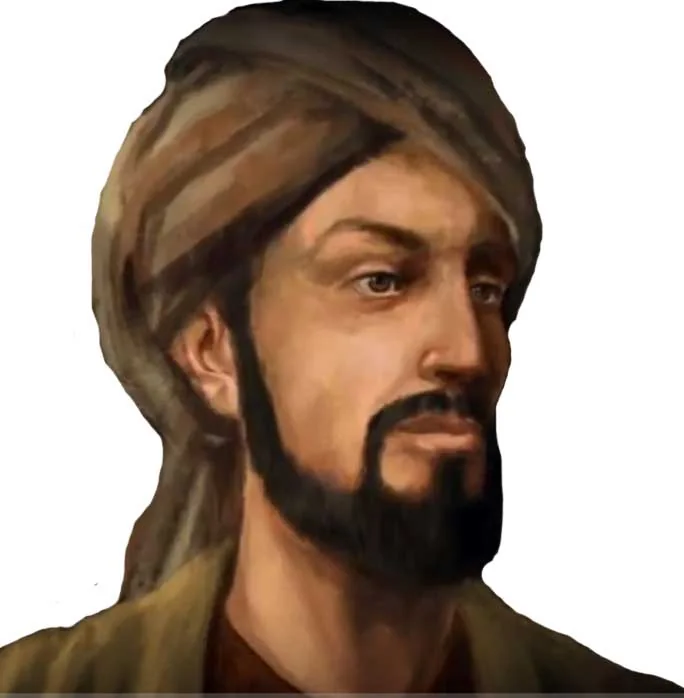 Ancient & Medieval
Al-Jazari
Badīʿ az-Zaman Abu l-ʿIzz ibn Ismāʿīl ibn ar-Razāz al-Jazarī was a polymath, scholar, inventor, mechanical
 Ancient & Medieval
Ramon Llull
Ramon Llull, sometimes anglicized as Raymond Lully, was a Catholic philosopher, theologian, poet, missionary, apologist