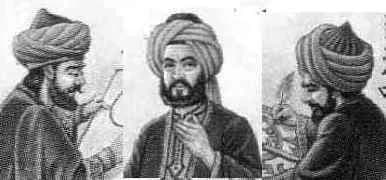
Muhammad ibn Musa al-Khwarizmi, or simply al-Khwarizmi was a mathematician active during the Islamic Golden
The Banū Mūsā brothers, Ahmad, Muhammad, and al-Hasan, were a group of three Persian scholars who lived during the 9th century in Baghdad, which was then part of the Abbasid Caliphate. They were renowned for their contributions to various fields, including mathematics, mechanics, and engineering. The brothers authored several influential works, such as the "Book of Ingenious Devices," which covered a wide range of subjects like automata, geometry, and astronomical instruments. Their works were instrumental in preserving and advancing scientific knowledge from the Hellenistic and Persian traditions.
Their book "The Book of Ingenious Devices" showcased mechanical inventions, automata, and scientific knowledge. Their contributions to mathematics, engineering, and technology had a lasting impact on the Islamic Golden Age and advanced scientific understanding.
Muhammad ibn Musa al-Khwarizmi, or simply al-Khwarizmi was a mathematician active during the Islamic Golden Age, who produced Arabic-language works in mathematics, astronomy, and geography. Around 820, he worked at the House of Wisdom in Baghdad, the contemporary capital city of the Abbasid Caliphate. One of the most prominent scholars of the period, his works were widely influential on later authors, both in the Islamic world and Europe.
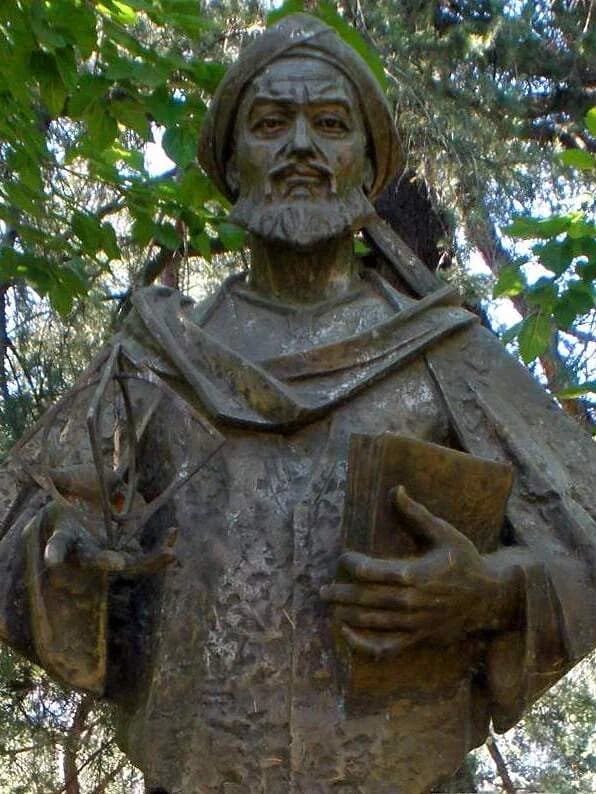 Ancient & Medieval
Al-Khwarizmi
Muhammad ibn Musa al-Khwarizmi, or simply al-Khwarizmi was a mathematician active during the Islamic Golden
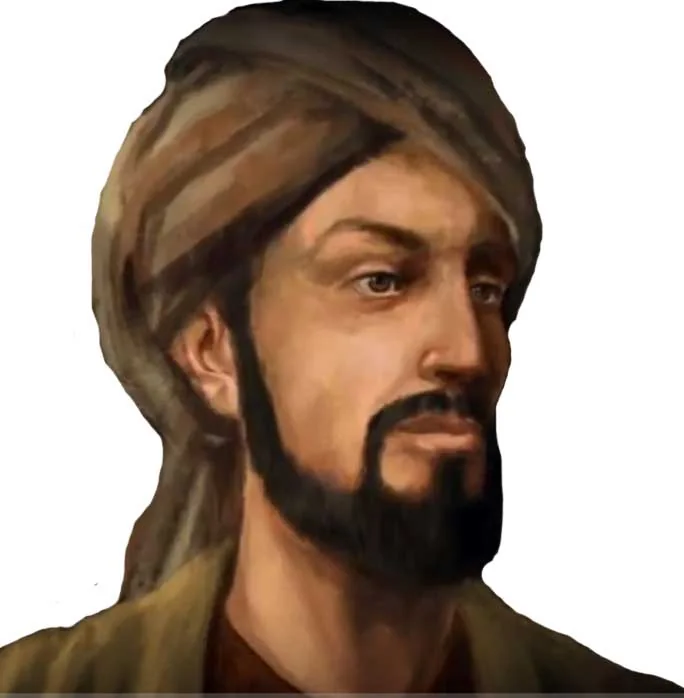 Ancient & Medieval
Al-Jazari
Badīʿ az-Zaman Abu l-ʿIzz ibn Ismāʿīl ibn ar-Razāz al-Jazarī was a polymath, scholar, inventor, mechanical
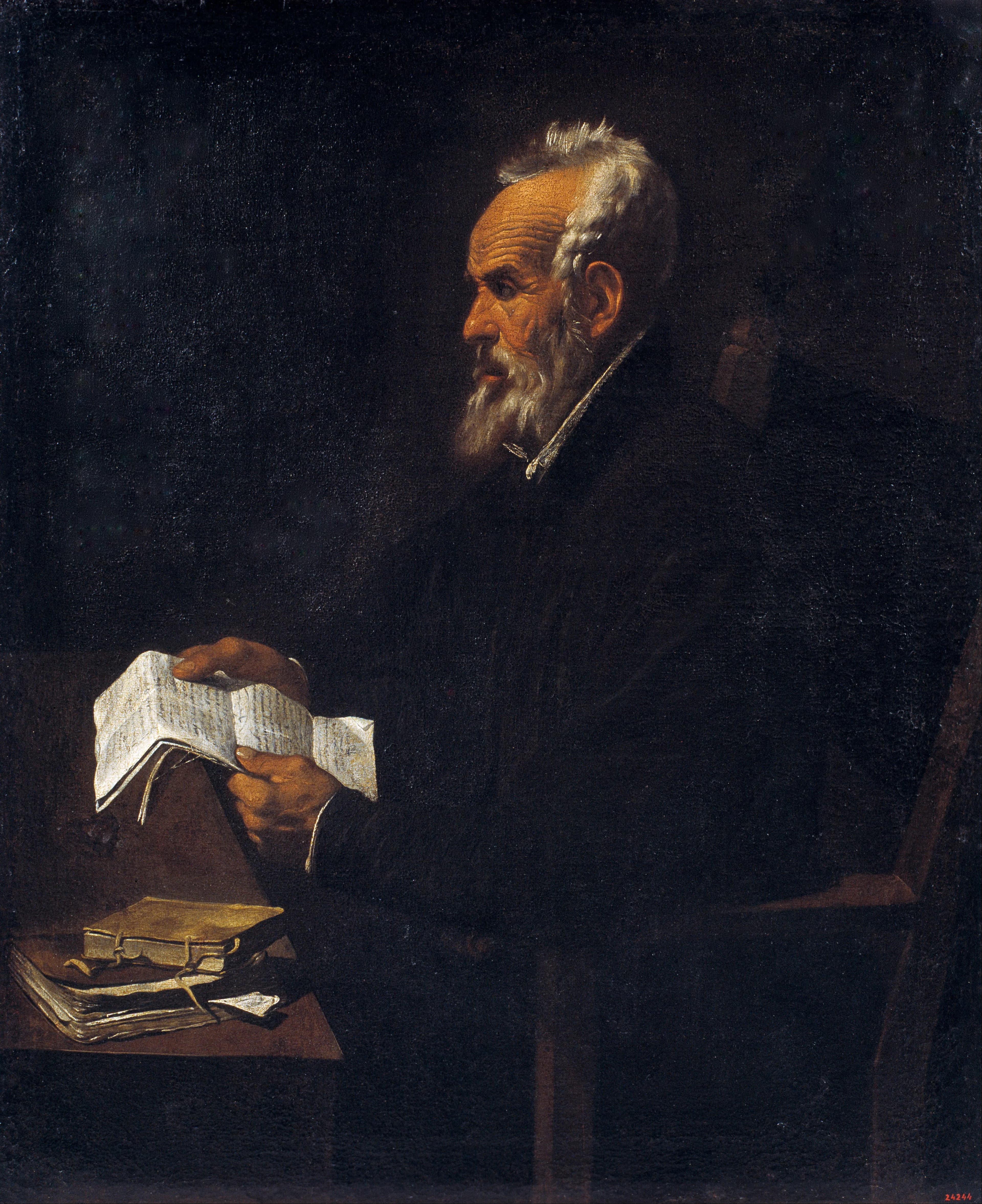 Ancient & Medieval
Ramon Llull
Ramon Llull, sometimes anglicized as Raymond Lully, was a Catholic philosopher, theologian, poet, missionary, apologist
 Mechanical
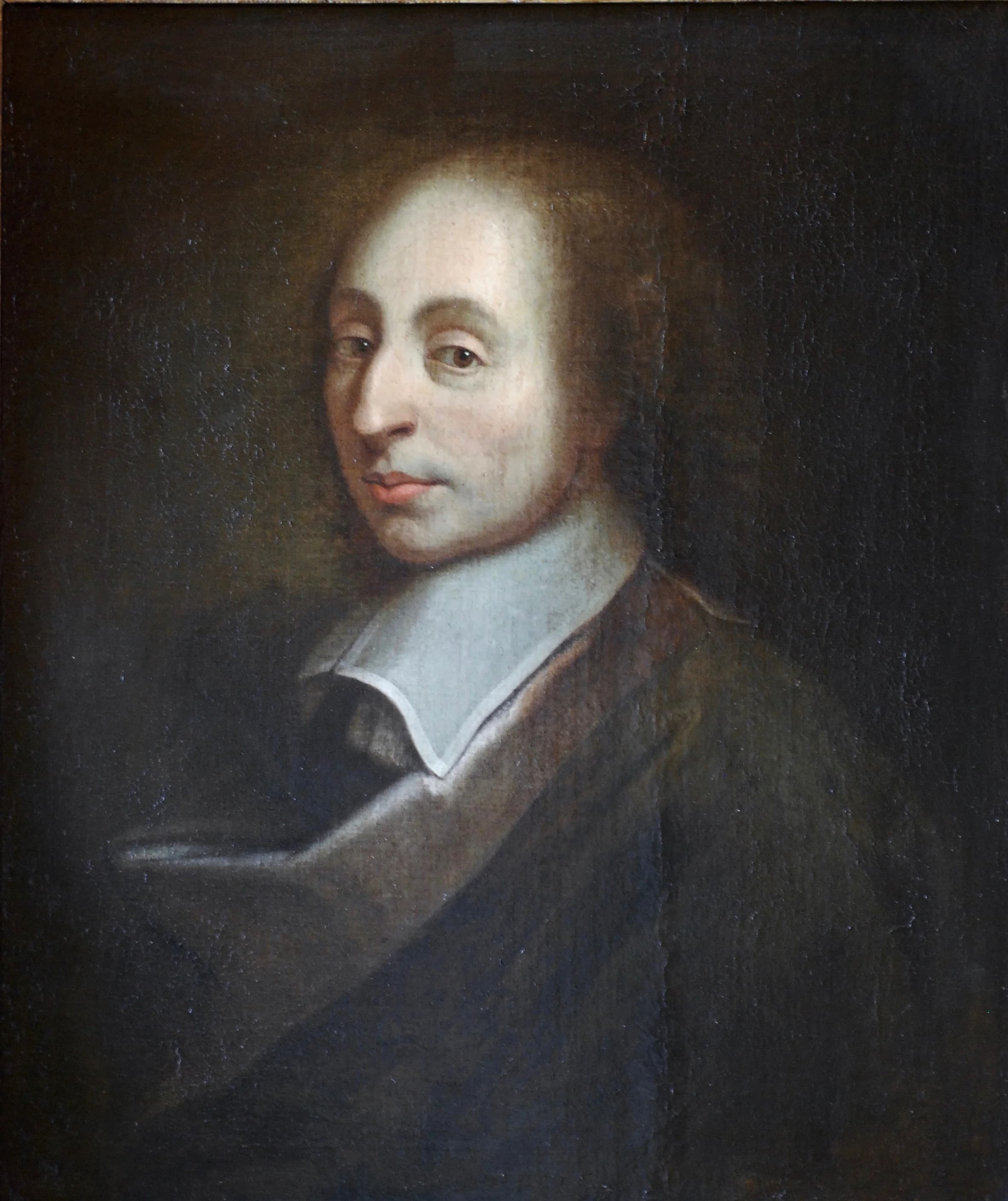
Blaise Pascal
Blaise Pascal was a French mathematician, physicist, inventor, philosopher, and Catholic writer