
Arthur Walter Burks was an American mathematician who worked in the 1940s as a senior
Arthur Walter Burks (1915-2008) was an American mathematician and computer scientist. He worked alongside John von Neumann on the development of the ENIAC computer, one of the first electronic general-purpose computers. Burks also made significant contributions to the field of symbolic logic and the design of early computer architectures.
Proposed Reverse Polish Notation with Don Warren and Jesse Wright in 1954, unaware of Konrad Zuse's earlier use of postfix notation in his Z3 in 1941, and later independently reinvented by Friedrich L. Bauer and Edsger W. Dijkstra for use with stacks.
Arthur Walter Burks was an American mathematician who worked in the 1940s as a senior engineer on the project that contributed to the design of the ENIAC, the first general-purpose electronic digital computer. Decades later, Burks and his wife Alice Burks outlined their case for the subject matter of the ENIAC having been derived from John Vincent Atanasoff. Burks was also for several decades a faculty member at the University of Michigan in Ann Arbor.
ENIAC
Other
University of Michigan
DePauw University
University of Michigan
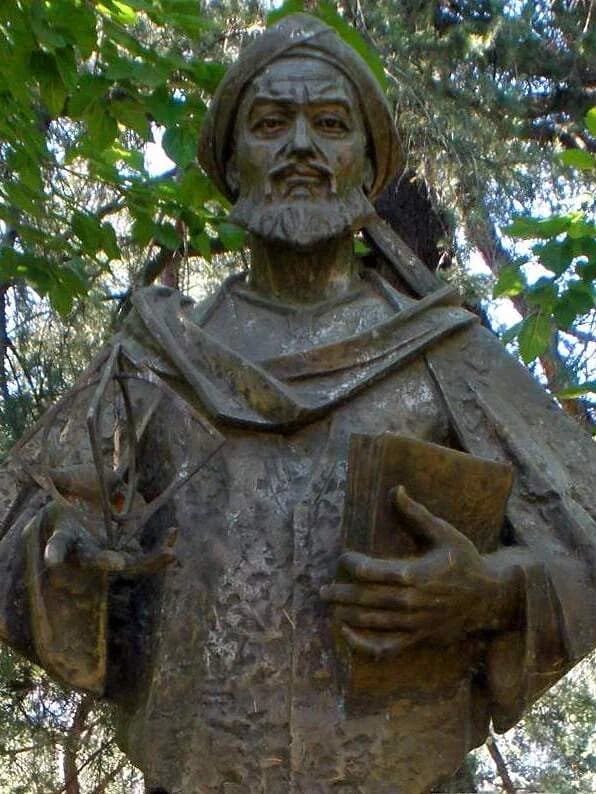 Ancient & Medieval
Al-Khwarizmi
Muhammad ibn Musa al-Khwarizmi, or simply al-Khwarizmi was a mathematician active during the Islamic Golden
 Ancient & Medieval
Banu Musa Brothers
Muhammad ibn Musa al-Khwarizmi, or simply al-Khwarizmi was a mathematician active during the Islamic Golden
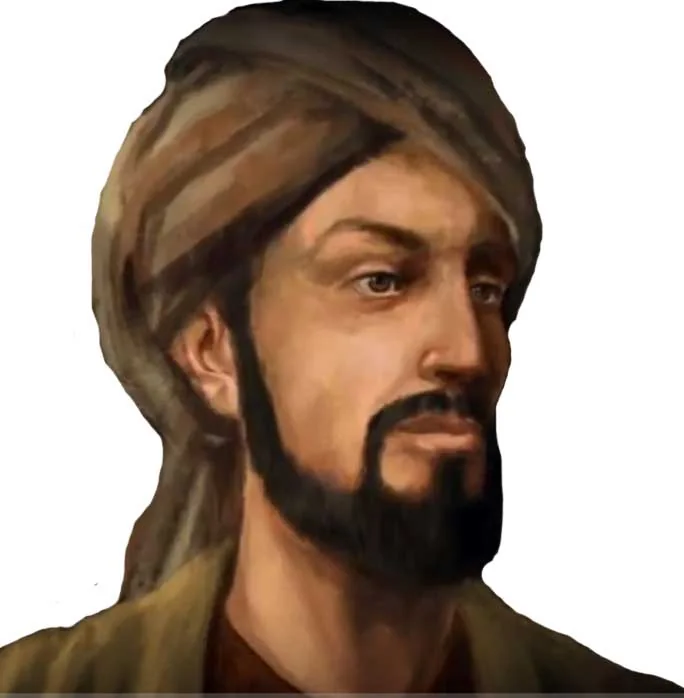 Ancient & Medieval
Al-Jazari
Badīʿ az-Zaman Abu l-ʿIzz ibn Ismāʿīl ibn ar-Razāz al-Jazarī was a polymath, scholar, inventor, mechanical
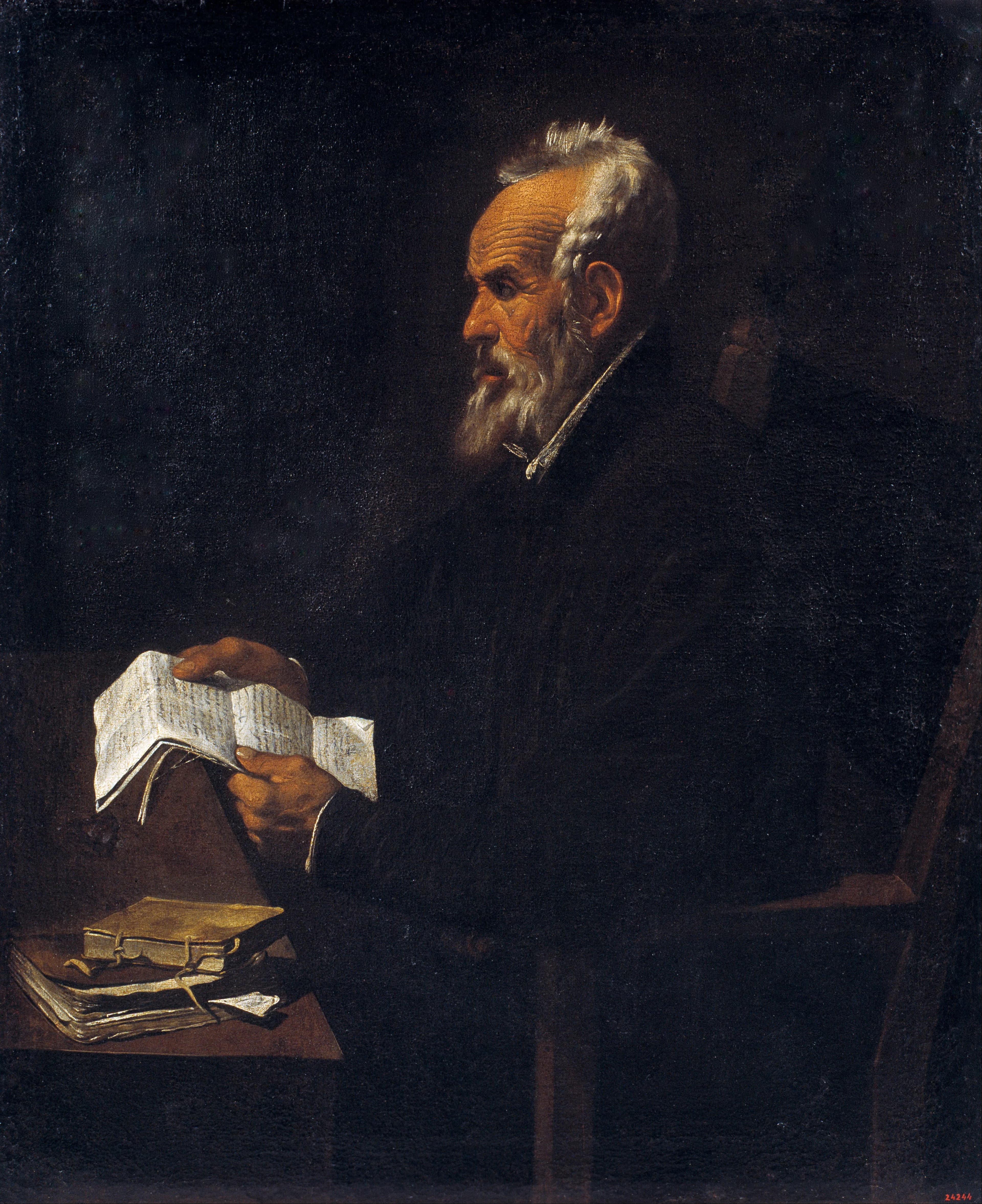 Ancient & Medieval
Ramon Llull
Ramon Llull, sometimes anglicized as Raymond Lully, was a Catholic philosopher, theologian, poet, missionary, apologist