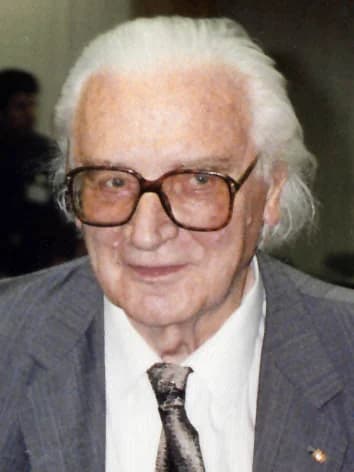
Konrad Ernst Otto Zuse was a German civil engineer, pioneering computer scientist, inventor and businessman
Konrad Zuse (1910-1995) was a German engineer and computer scientist. He is credited with building the world's first fully functional program-controlled electromechanical computer, the Z3, in 1941. Zuse also developed the first high-level programming language, Plankalkül, and made significant contributions to the field of computer architecture and design.
Built the first digital freely programmable computer, the Z1. Built the first functional program-controlled computer, the Z3 in 1941. The Z3 already used what later became known as Reverse Polish Notation, and it was proven to be Turing-complete in 1998. Produced the world's first commercial computer, the Z4. Designed the first high-level programming language, Plankalkül.
Konrad Ernst Otto Zuse was a German civil engineer, pioneering computer scientist, inventor and businessman. His greatest achievement was the world's first programmable computer; the functional program-controlled Turing-complete Z3 became operational in May 1941. Thanks to this machine and its predecessors, Zuse is regarded by some as the inventor and father of the modern computer.
Z3
Other
Z4
Other
Plankalkül
Other
Der Computer – Mein Lebenswerk
Other
Calculating Space
Other
Z2
Other
Z5
Other
Z11
Other
Z22
Other
Z23 (computer)
Other
Z1
Other
Aerodynamics Research Institute
1939–1945
Siemens
1969–
Henschel & Sohn
1935–1939
Zuse KG
1949–1969
Konrad-Zuse-Gymnasium Hoyerswerda
1927
Technische Universität Berlin
1935
Collegium Hosianum
 Ancient & Medieval
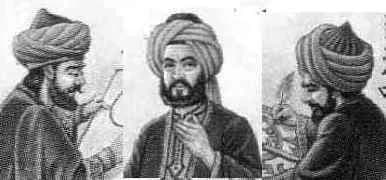
Banu Musa Brothers
Muhammad ibn Musa al-Khwarizmi, or simply al-Khwarizmi was a mathematician active during the Islamic Golden
 Ancient & Medieval
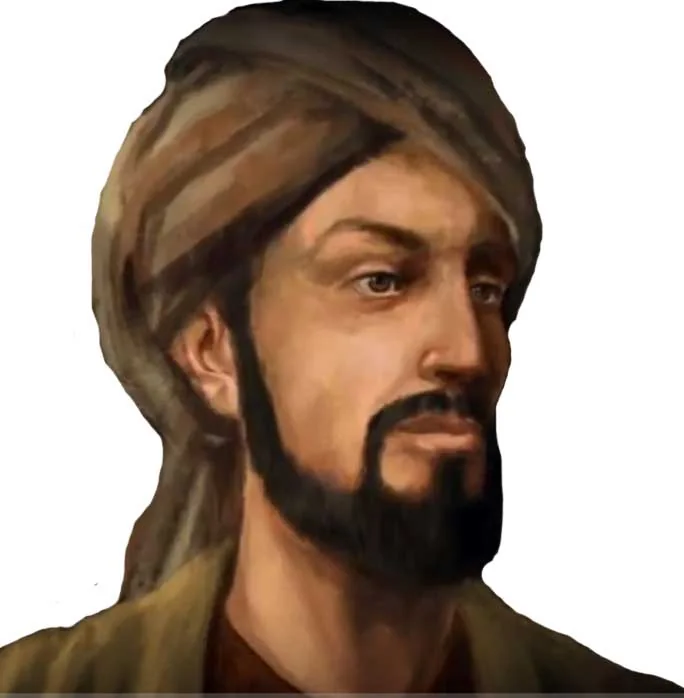
Al-Jazari
Badīʿ az-Zaman Abu l-ʿIzz ibn Ismāʿīl ibn ar-Razāz al-Jazarī was a polymath, scholar, inventor, mechanical
 Mechanical
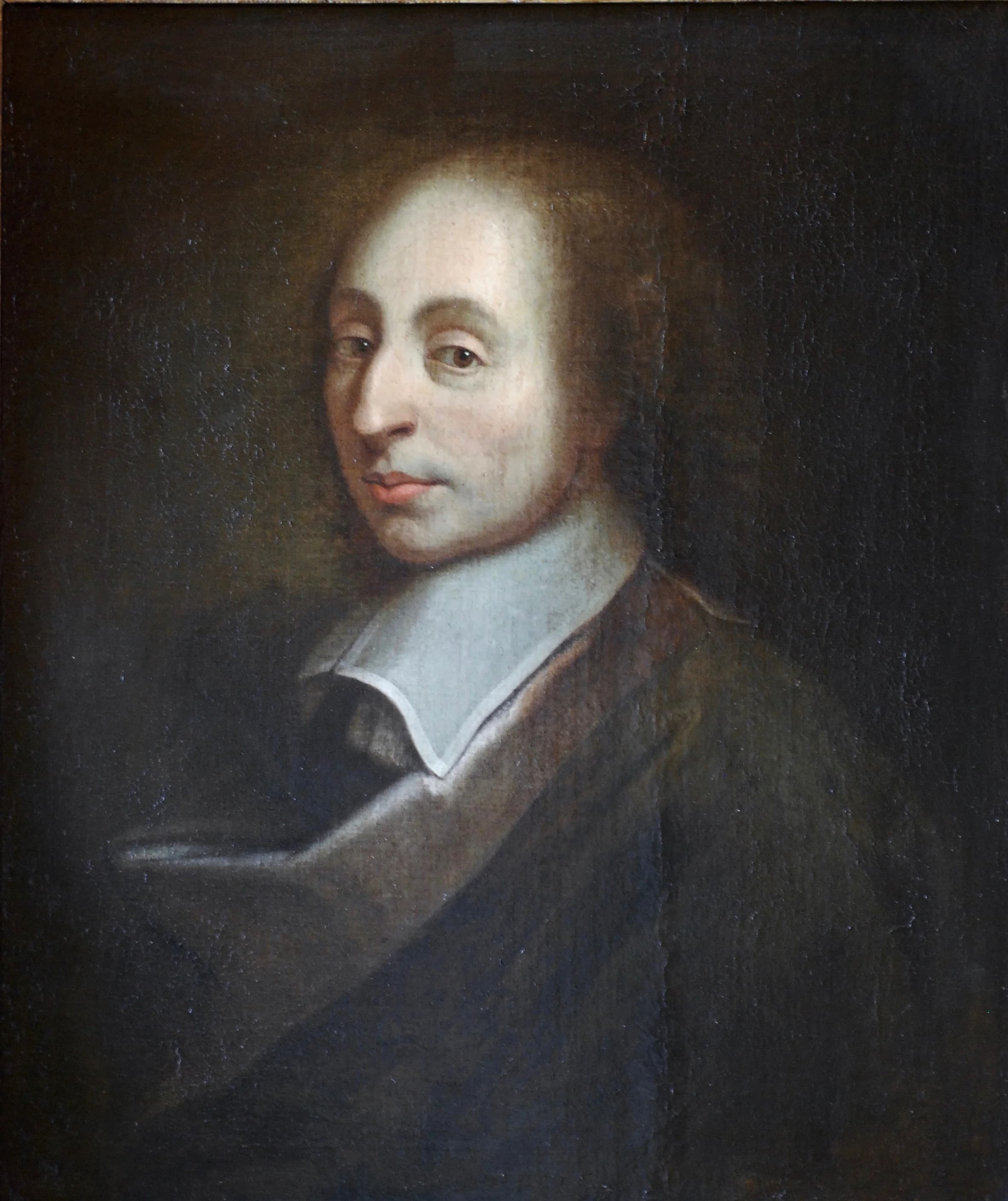
Blaise Pascal
Blaise Pascal was a French mathematician, physicist, inventor, philosopher, and Catholic writer
 Mechanical
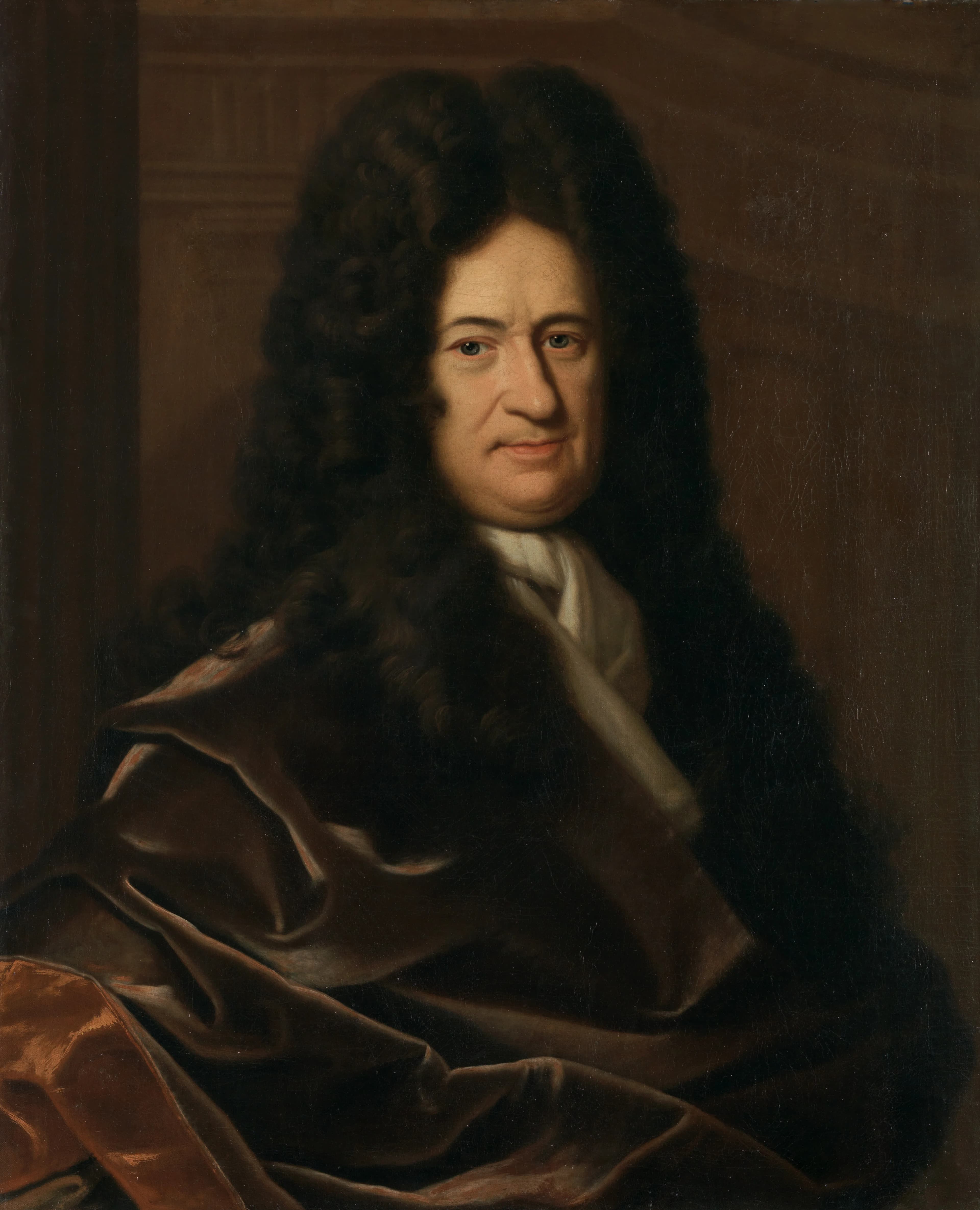
Gottfried Leibniz
Gottfried Wilhelm Leibniz was a German polymath active as a mathematician, philosopher, scientist, and diplomat