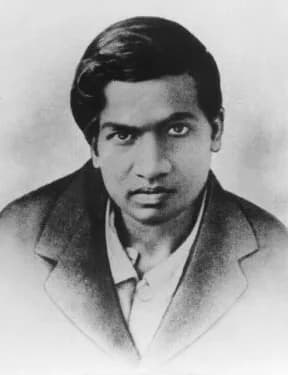
Srinivasa Ramanujan Iyengar was an Indian mathematician who worked during the early 20th century
Srinivasa Ramanujan (1887-1920) was an Indian mathematician known for his extraordinary contributions to number theory and mathematical analysis. With almost no formal training, Ramanujan independently discovered numerous mathematical theorems and identities. His work has had a lasting impact on various areas of mathematics and continues to inspire mathematicians to this day.
Contribution to Number Theory, a fundamental aspect of Computer Science. An Indian mathematician who made remarkable contributions to number theory and mathematical analysis. His formulas, equations, and series have had a significant impact on mathematics. Ramanujan's work in partitions, theta functions, and collaborations with G.H. Hardy continue to inspire mathematicians worldwide.
Srinivasa Ramanujan Iyengar was an Indian mathematician who worked during the early 20th century. He made substantial contributions to mathematical analysis, number theory, infinite series, and continued fractions, including solutions to mathematical problems then considered unsolvable.
Ramanujan–Sato series
Other
Ramanujan prime
Other
Ramanujan graph
Other
Hardy–Ramanujan theorem
Other
Ramanujan's sum
Other
Ramanujan–Soldner constant
Other
taxicab number
Other
Ramanujan–Nagell equation
Other
Ramanujan summation
Other
Ramanujan theta function
Other
tau-function
Other
Ramanujan's congruences
Other
Ramanujan's master theorem
Other
Ramanujan's ternary quadratic form
Other
Landau–Ramanujan constant
Other
Rogers–Ramanujan continued fraction
Other
Rogers–Ramanujan identities
Other
Ramanujan's constant
Other
Ramanujan–Petersson conjecture
Other
Chennai Port
1912–1914
Trinity College
1916–1919
Town Higher Secondary School
1904
Government Arts College, Kumbakonam
1905
Pachaiyappa's College
1907
Trinity College
1916
University of Cambridge
Influenced by
Influenced
 Early Electronic
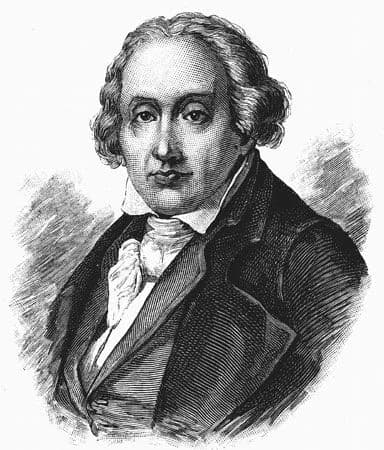
Joseph Marie Jacquard
Joseph Marie Charles dit Jacquard was a French weaver and merchant
 Early Electronic
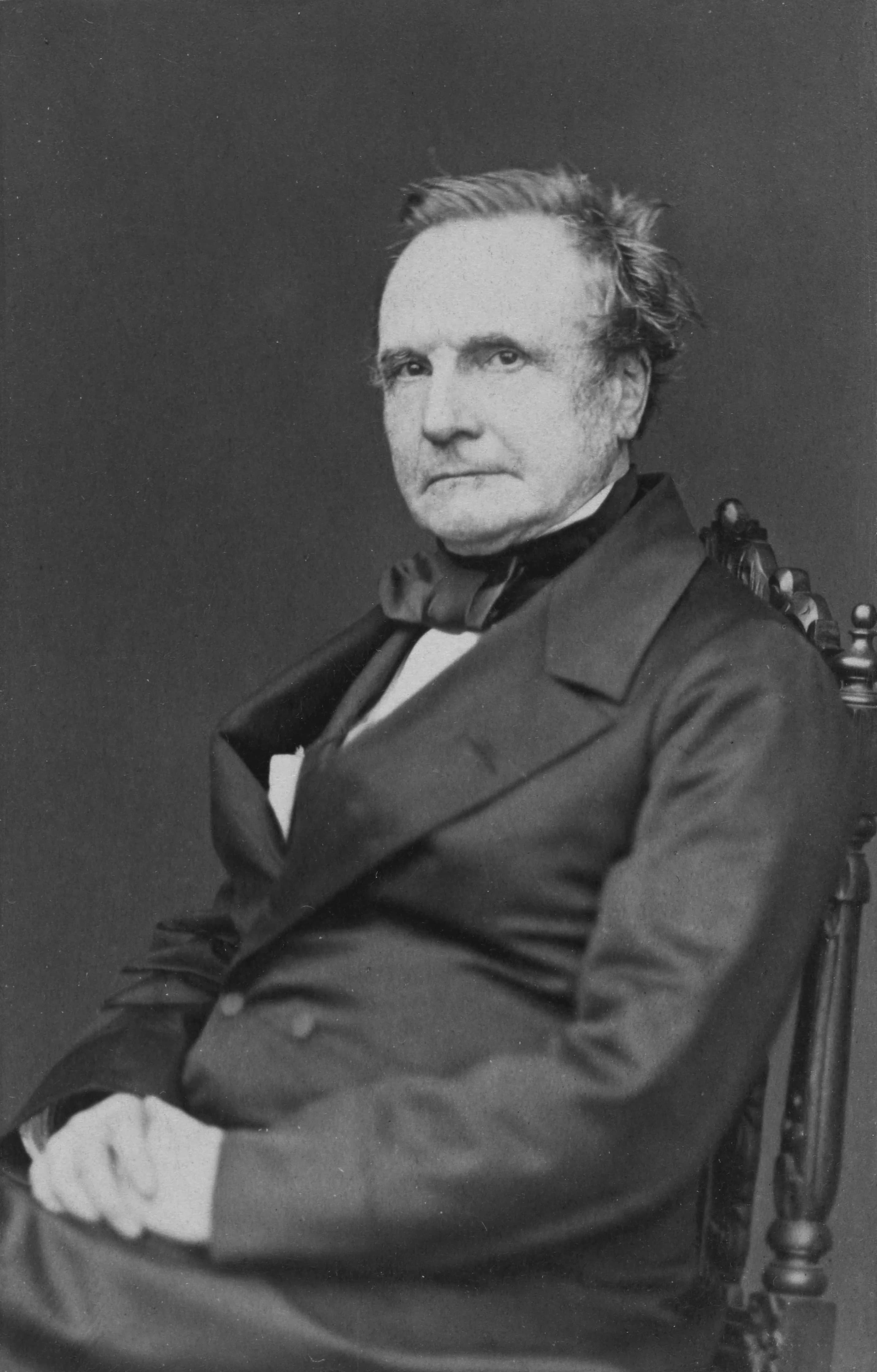
Charles Babbage
Charles Babbage was an English polymath
 Early Electronic
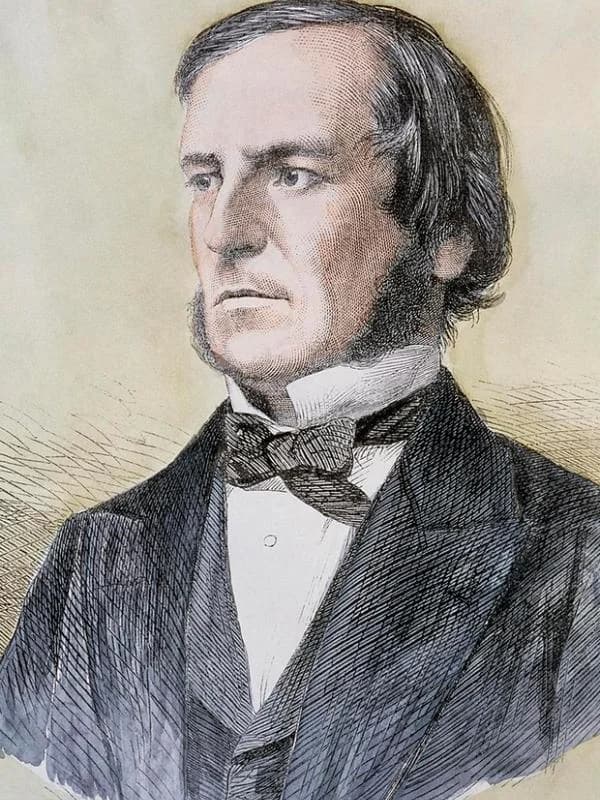
George Boole
George Boole was an English autodidact, mathematician, philosopher and logician who served as the first
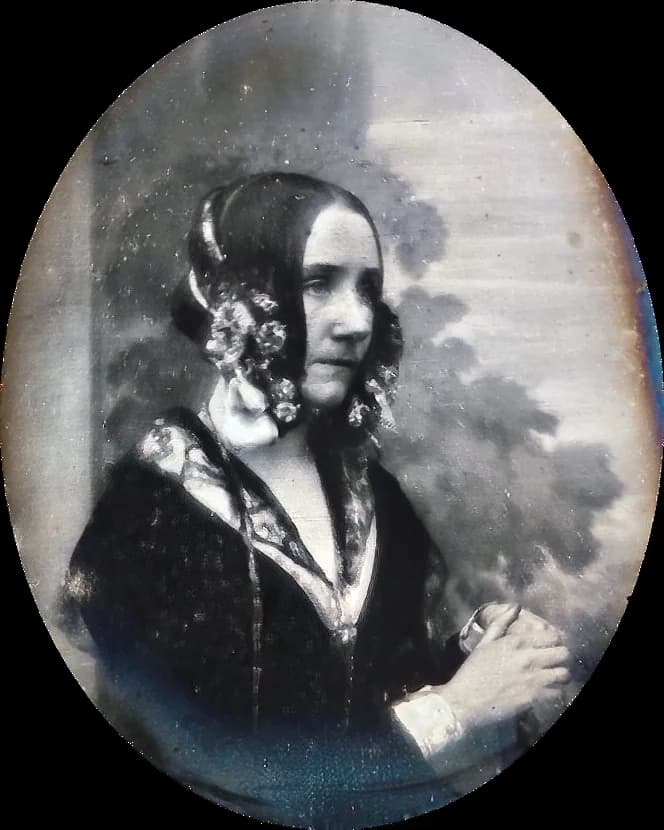 Early Electronic
Ada Lovelace
Augusta Ada King, Countess of Lovelace, also known as Ada Lovelace, was an English mathematician