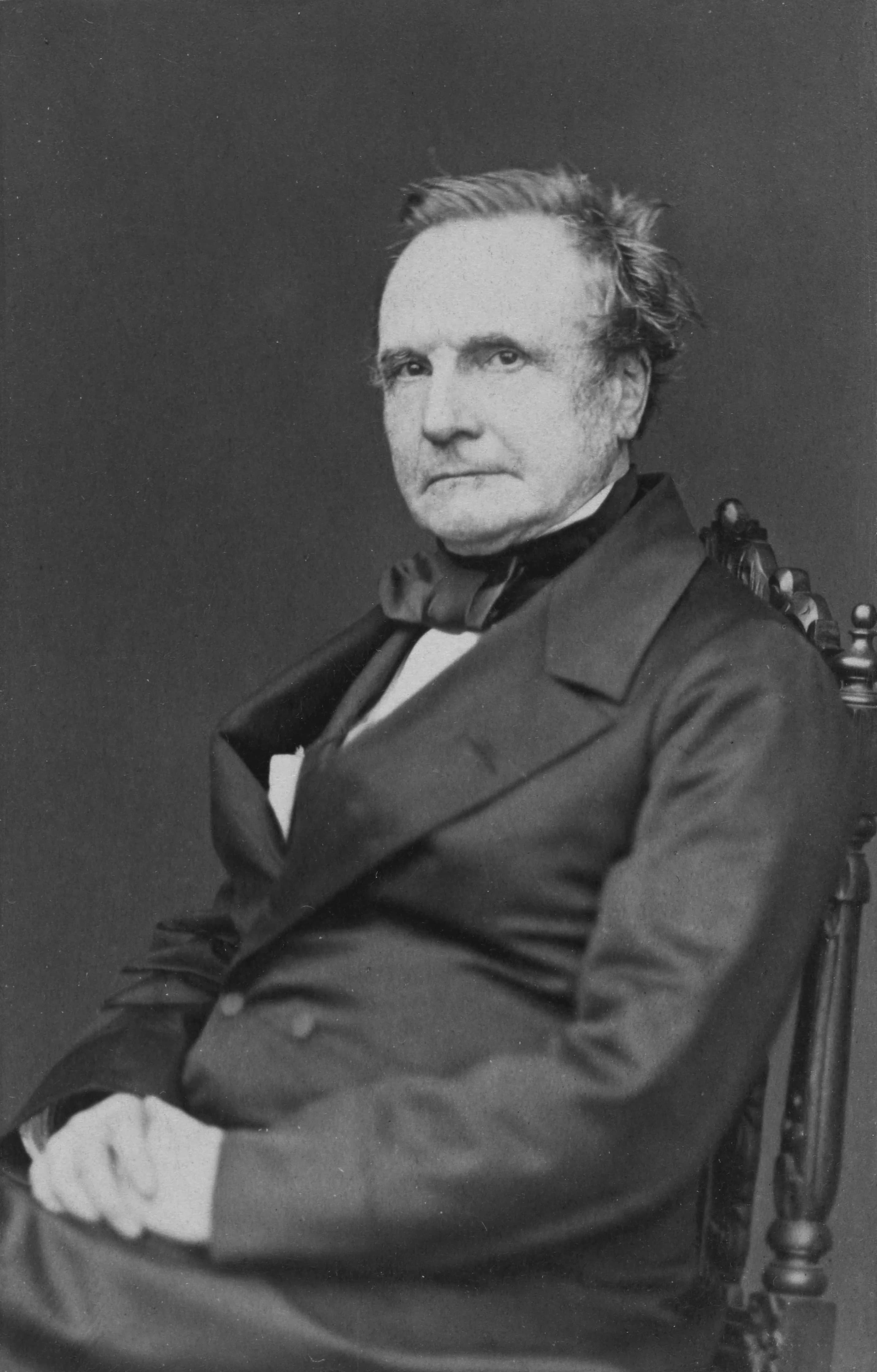
Charles Babbage was an English polymath
Charles Babbage was an English mathematician, philosopher, inventor, and mechanical engineer who is best known for conceiving of the idea of a programmable computer. He designed the "Difference Engine," an automatic mechanical calculator designed to tabulate polynomial functions, and the more complex "Analytical Engine," which was intended to perform any kind of calculation and can be considered an early model for the modern computer.
He is best known for his design of the Analytical Engine, a mechanical general-purpose computer that was conceived as a successor to his earlier invention, the Difference Engine. Babbage's Analytical Engine incorporated key principles of modern computing, including the use of punched cards for input and output, a memory unit, and the ability to perform arithmetic and logical operations.
Charles Babbage was an English polymath. A mathematician, philosopher, inventor and mechanical engineer, Babbage originated the concept of a digital programmable computer.
Reflections on the Decline of Science in England, and on Some of Its Causes
Other
On the Economy of Machinery and Manufactures
Other
Ninth Bridgewater Treatise
Other
Laws of mechanical notation (for consideration) / [C. Babbage]
Other
Passages from the Life of a Philosopher.
Other
analytical engine
Other
difference engine
Other
University of Cambridge
1827–1839
Totnes Grammar School
1803
Forty Hill CofE Primary School
1806
Peterhouse
1814
Alphington Primary School
King Edward VI Community College
Trinity College
Influenced by
Influenced
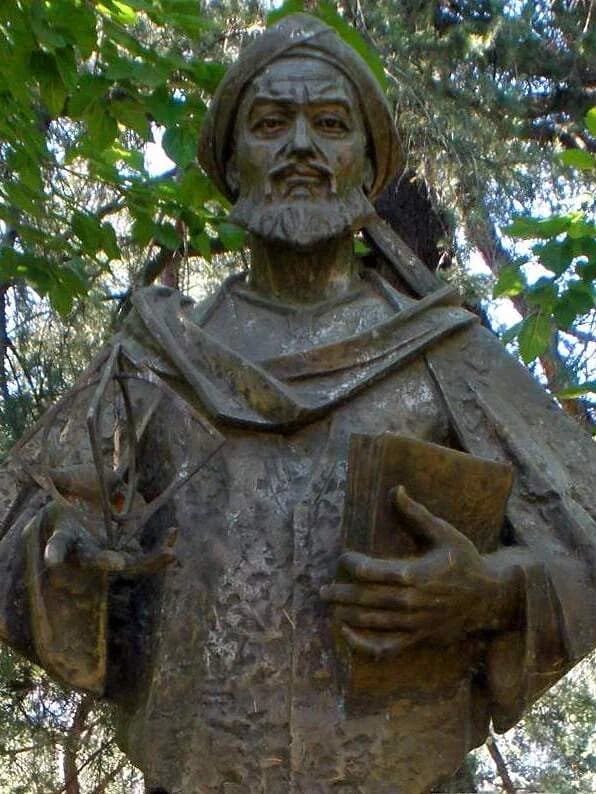 Ancient & Medieval
Al-Khwarizmi
Muhammad ibn Musa al-Khwarizmi, or simply al-Khwarizmi was a mathematician active during the Islamic Golden
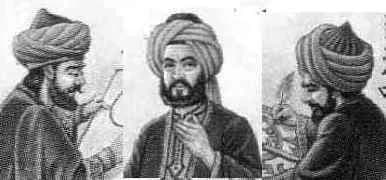 Ancient & Medieval
Banu Musa Brothers
Muhammad ibn Musa al-Khwarizmi, or simply al-Khwarizmi was a mathematician active during the Islamic Golden
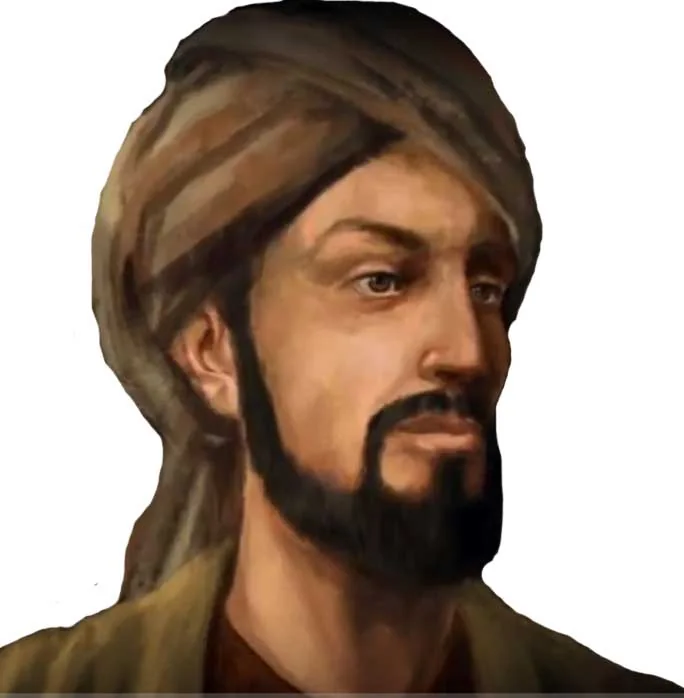 Ancient & Medieval
Al-Jazari
Badīʿ az-Zaman Abu l-ʿIzz ibn Ismāʿīl ibn ar-Razāz al-Jazarī was a polymath, scholar, inventor, mechanical
 Ancient & Medieval
Ramon Llull
Ramon Llull, sometimes anglicized as Raymond Lully, was a Catholic philosopher, theologian, poet, missionary, apologist